What Is a Hair Graft?
What Is a Hair Graft?
Understanding Hair Transplant Grafts, Graft Counts, and Hairs per Graft

What Is a Hair Graft? Understanding the Basics Before Deciding on a Hair Transplant
One of the terms people most frequently hear when researching a hair transplant is “hair graft” or simply “graft.” This is especially common when asking a clinic questions such as:
- “How many grafts will I need?”
- “Are 2,000 grafts enough?”
- “How many hairs are there in one graft?”
- “Why do some clinics charge by the graft?”
These are important questions to understand before making a decision because a graft does not represent just one hair, and the number of grafts is not the same as the total number of hairs transplanted.
In medical terminology, a Follicular Unit is a naturally occurring group of hair follicles and hairs on the scalp. Generally, one Follicular Unit contains approximately 1–3 hairs, although units containing 4 hairs may occasionally be found.
Therefore, to understand hair transplantation correctly, it is important to distinguish between:
Grafts → Follicular Units → Number of Hairs → Total Graft Count
These four concepts are related, but they do not mean the same thing.
 What Is a Hair Graft?
A hair graft refers to a unit of tissue containing hair follicles, typically corresponding to a Follicular Unit, which is harvested from the Donor Area and transplanted into an area with thinning hair or hair loss.
Put simply:
A graft is a unit of tissue taken from a hair-bearing area and transplanted into an area where additional hair is needed.
Modern hair transplantation generally focuses on preparing grafts in a way that corresponds to the natural growth units of the hair. A Follicular Unit is a naturally occurring group of hair follicles that typically contains an average of approximately 2.4 hairs per unit in people of European ancestry. People of Asian ancestry often have fewer hairs per unit, but their individual hair shafts tend to be thicker.
However, this average does not mean that every graft contains 2.4 hairs. In reality, each person has a different proportion of one-hair, two-hair, three-hair, and occasionally four-hair Follicular Units.
Therefore, when a clinic says:
“We will transplant 2,000 grafts,”
this does not mean that only 2,000 hairs will be transplanted.
The actual number of hairs depends on how many hairs are contained in each of those 2,000 grafts.
 How Many Hairs Are in One Graft?
The question “How many hairs are in one graft?” is particularly important.
In general, a Follicular Unit may contain:
- 1 hair
- 2 hairs
- 3 hairs
- Occasionally, 4 hairs
Consider the following example.
If a patient receives 1,000 grafts, and we assume an average of 2.4 hairs per graft, the approximate total number of hairs would be:
1,000 × 2.4 = 2,400 hairs
However, the actual number may vary from patient to patient because the proportions of one-hair, two-hair, and three-hair grafts are different for each individual.
For this reason, when evaluating a hair transplant plan, patients should not ask only, “How many grafts will be used?” They should also consider the estimated total number of hairs and the characteristics of those grafts.
 What Is the Difference Between Hair Grafts and Hairs?
This is a common source of confusion among patients.
What Is a Hair?
A hair is the visible strand that grows from a hair follicle and can be seen on the scalp.
What Is a Hair Follicle?
A hair follicle is a structure within the skin responsible for producing hair.
What Is a Follicular Unit?
A Follicular Unit is a naturally occurring small group of hair follicles on the scalp.
What Is a Graft?
In hair transplantation, a graft refers to a unit of tissue containing hair follicles that has been prepared for transplantation into the Recipient Area.
In simple terms:
One graft does not equal one hair.
And the number of grafts is not the same as the number of hairs.
Understanding this distinction can help patients compare hair transplant plans from different clinics more accurately.
 Why Do Some Grafts Contain One Hair While Others Contain Two or Three?
Human hair does not grow as a perfectly uniform arrangement of individual strands. Instead, hair follicles naturally occur in small groups known as Follicular Units.
One unit may contain only one hair, while another may contain two or three hairs.
The proportions of these different types of grafts vary from person to person.
Before a hair transplant, the physician should therefore evaluate the characteristics of the Donor Area, including:
- The proportion of one-hair grafts
- The proportion of two-hair grafts
- The number of three-hair grafts
- Graft density
- Hair shaft thickness
These details help determine which types of grafts are most suitable for different areas of the scalp.
 Why Is Graft Count Important in Hair Transplantation?
Graft count is one of the important factors in treatment planning because the size of the area affected by hair thinning varies from person to person.
For example, one patient may have hair loss limited to the frontal hairline, while another may have thinning extending from the frontal hairline through the mid-scalp and into the Crown.
Naturally, these patients may require different numbers of grafts.
The density of the existing hair must also be considered.
An area that still has a reasonable amount of existing hair may require fewer grafts than an area with no hair remaining.
Therefore, the appropriate number of grafts must be assessed individually for each patient.
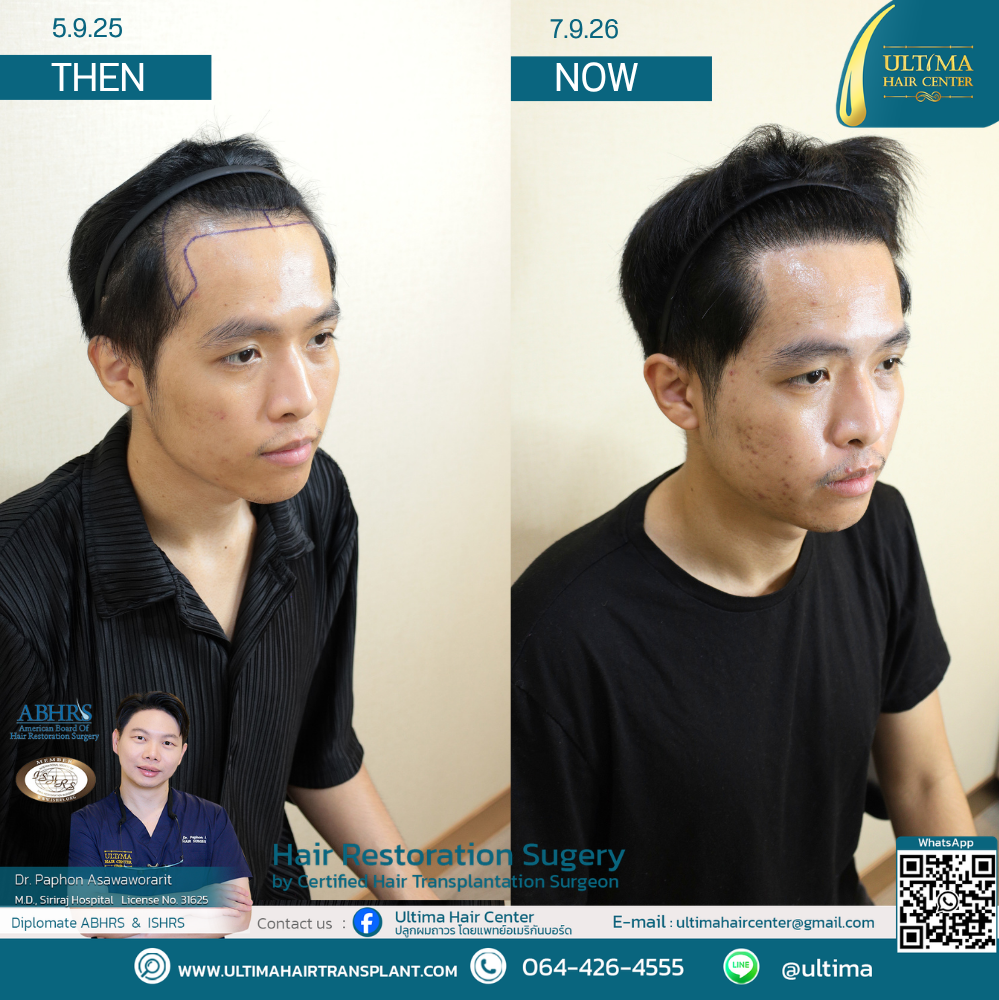 How Many Grafts Are Needed for a Hair Transplant?
There is no single number that is suitable for everyone.
The appropriate graft count depends on several factors, including:
- The size of the area to be transplanted
- The density of the existing hair
- The number of hairs per graft
- Hair shaft thickness
- Whether the hair is straight or curly
- The contrast between hair color and scalp color
- The patient's goals and expectations
- The available Donor Hair
- The likelihood of future hair loss
- The areas the patient wishes to prioritize
For example, a patient who wants to restore only the frontal hairline may not need the same number of grafts as someone seeking increased density from the front of the scalp through the Crown.
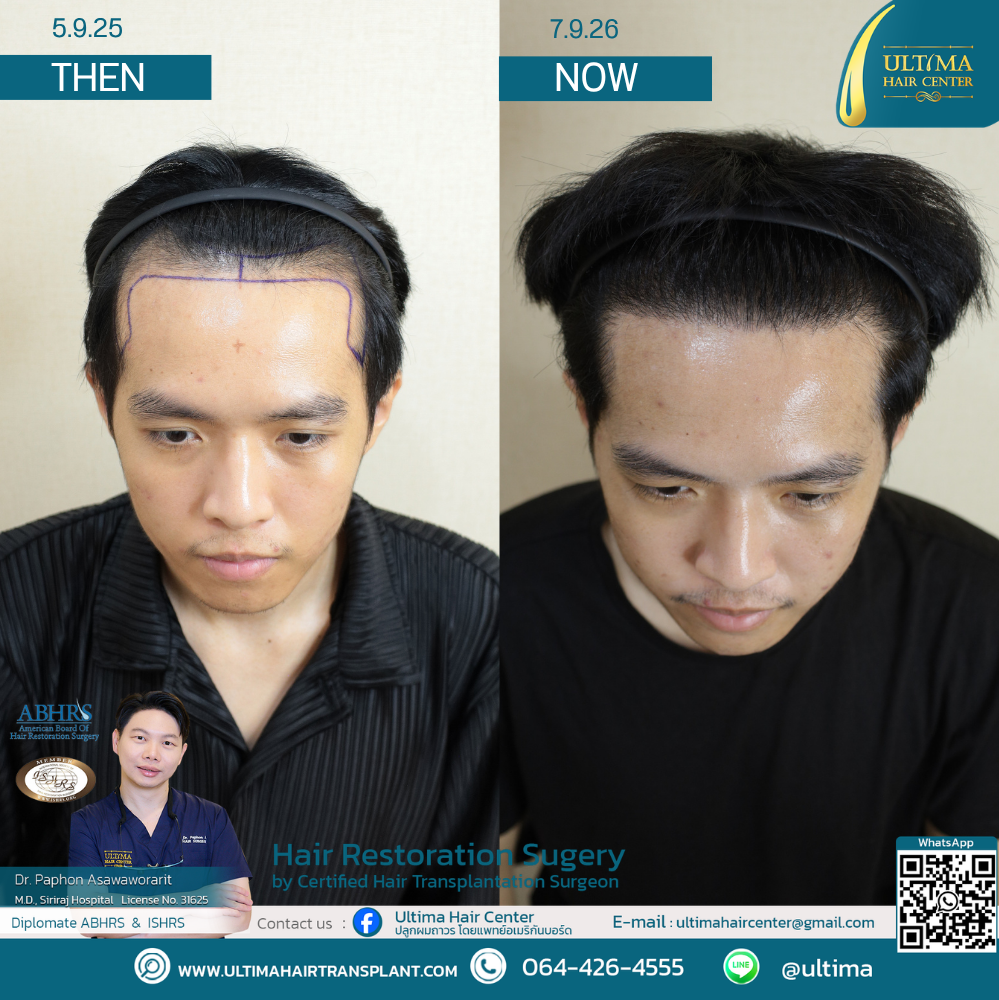 Does a Higher Graft Count Mean a Better Result?
Not necessarily.
This is an important point for anyone considering a hair transplant.
Using more grafts does not automatically produce a better result in every case.
The outcome depends not only on the number of grafts but also on:
- Graft quality
- The number of hairs per graft
- Selecting appropriate grafts for each area
- Hairline design
- Hair emergence angles
- Hair direction
- Spacing between grafts
- Appropriate use of Donor Hair
- The density of the existing hair
- Preservation and management of the remaining native hair
The International Society of Hair Restoration Surgery (ISHRS) recognizes graft placement as an important aspect of the aesthetic outcome of hair transplantation. Placing grafts appropriately for the recipient area contributes to the overall appearance of the result.
Therefore, quality-focused hair transplantation should not mean using as many grafts as possible. It should mean managing the available grafts carefully and using them in a way that addresses each patient's specific needs.
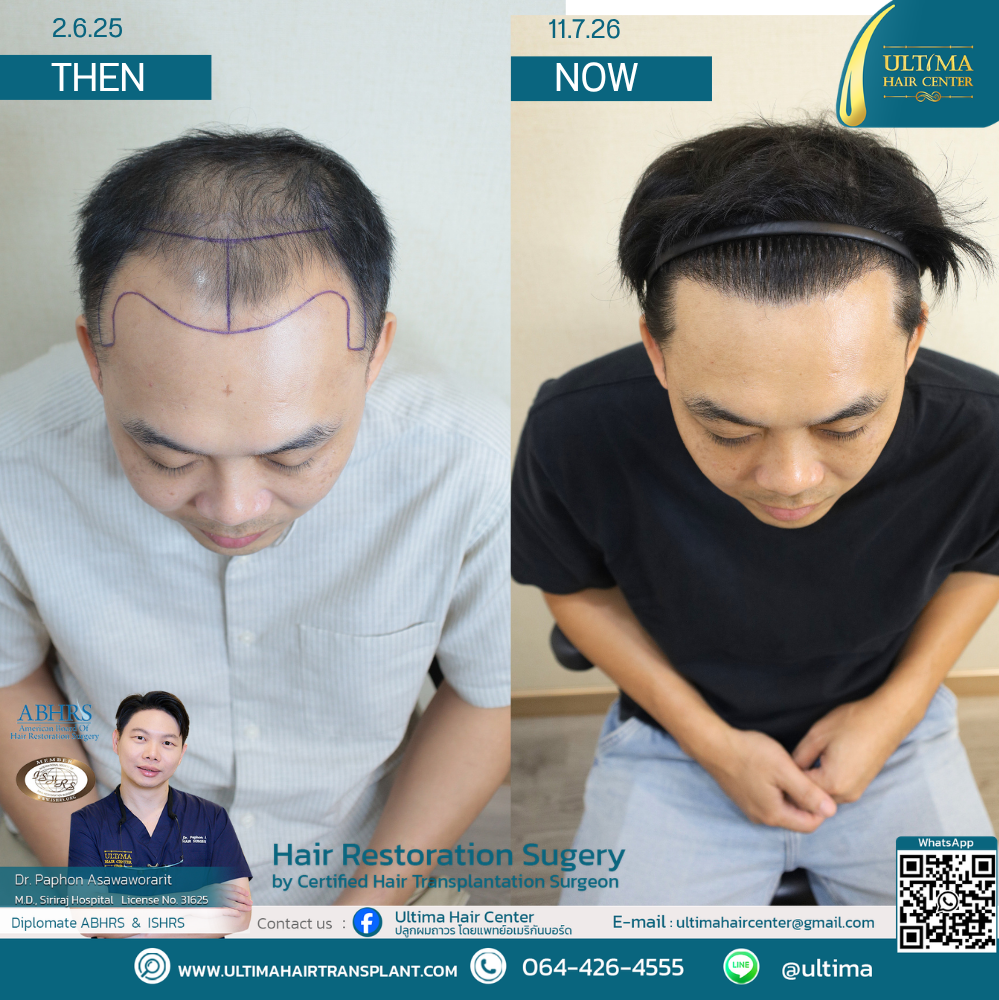 Should One-Hair and Three-Hair Grafts Be Used in the Same Areas?
Not necessarily. Different types of grafts may be more suitable for different areas.
Single-hair grafts can be useful when creating delicate details, particularly along the frontal hairline.
Multi-hair grafts may be more suitable for areas farther behind the hairline where greater density is desired.
The key principle is:
It is not just about how many grafts are available, but also about which grafts should be placed in which locations.
Appropriate graft placement can help make more efficient use of Donor Hair and help the transplanted hair blend with the existing hair.
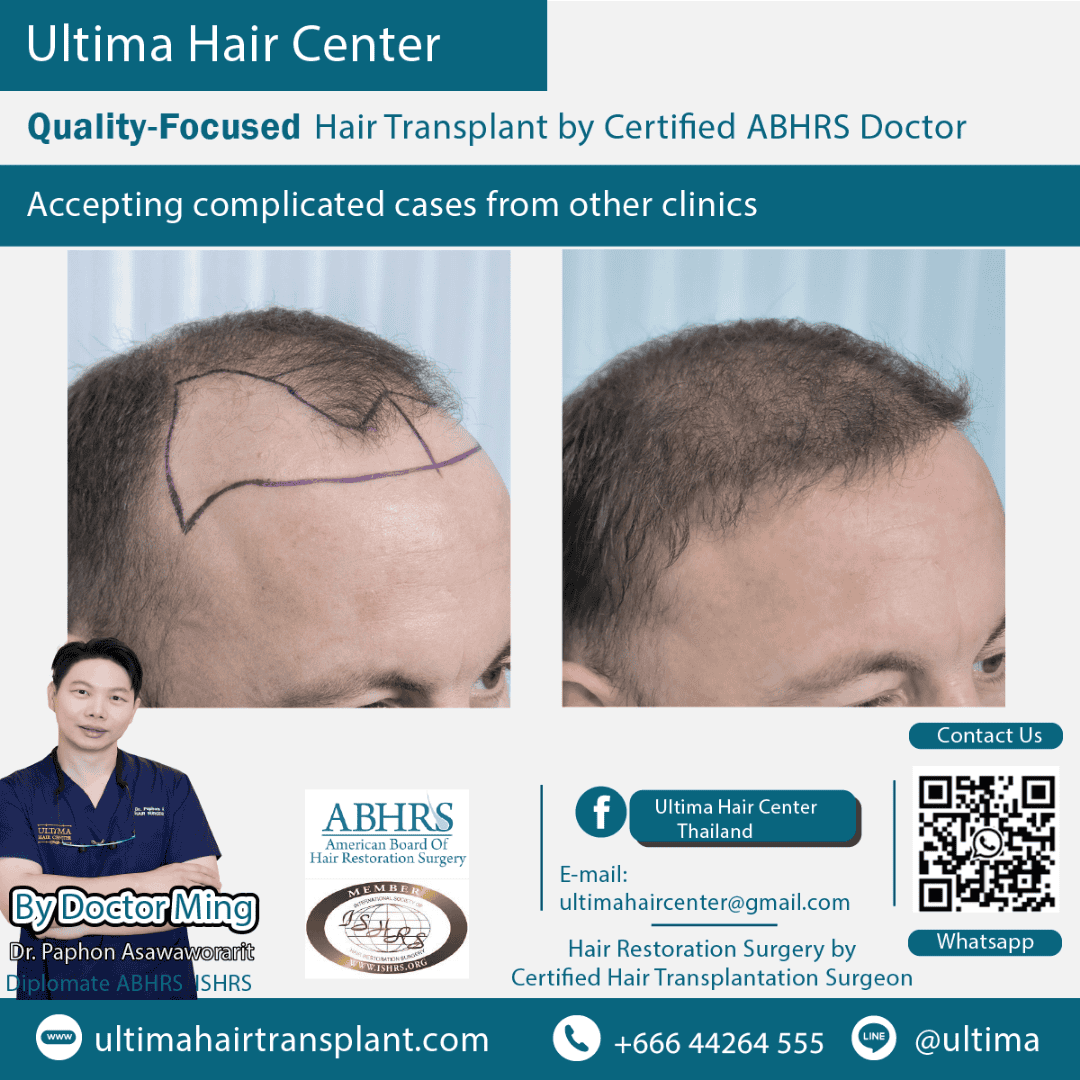
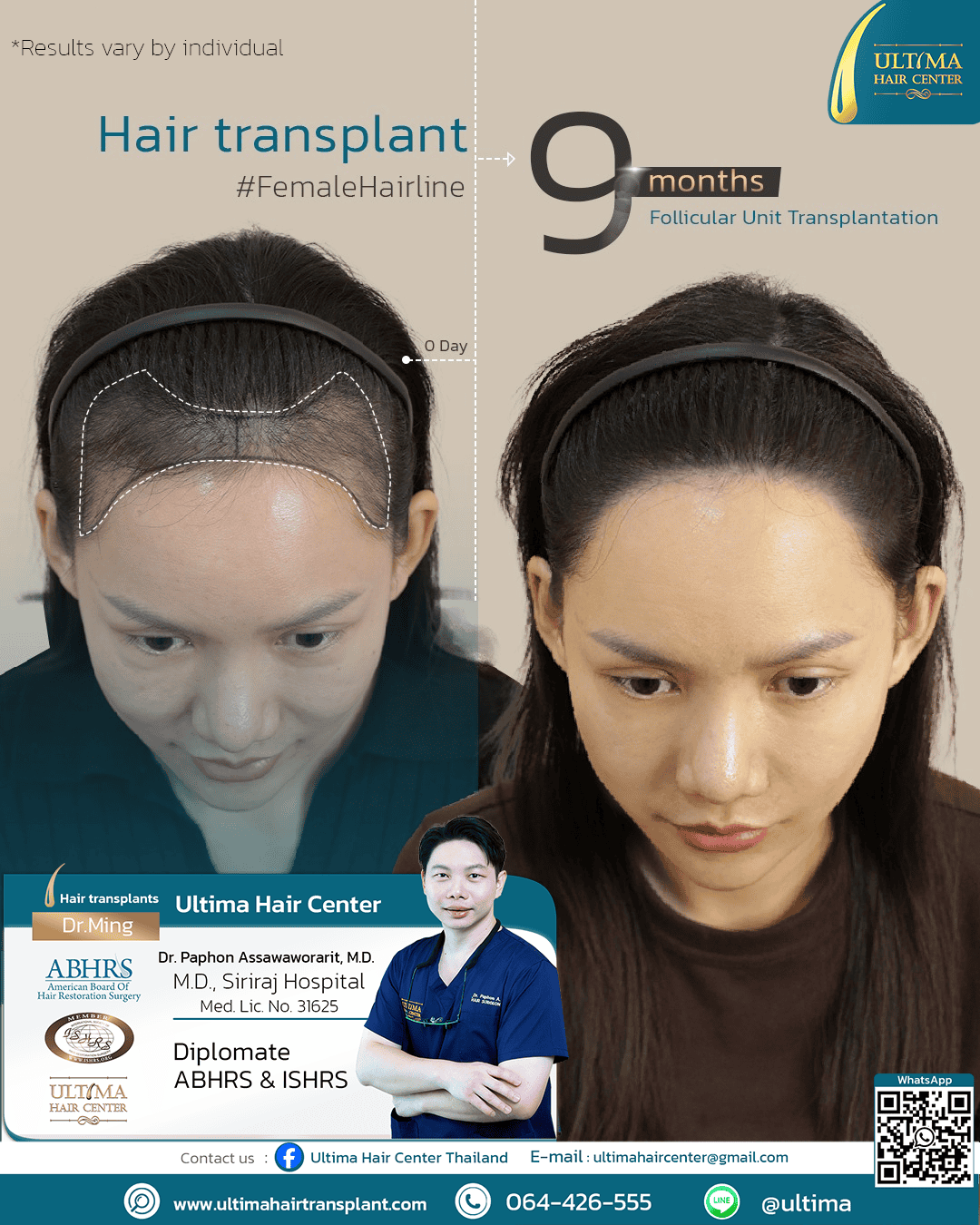
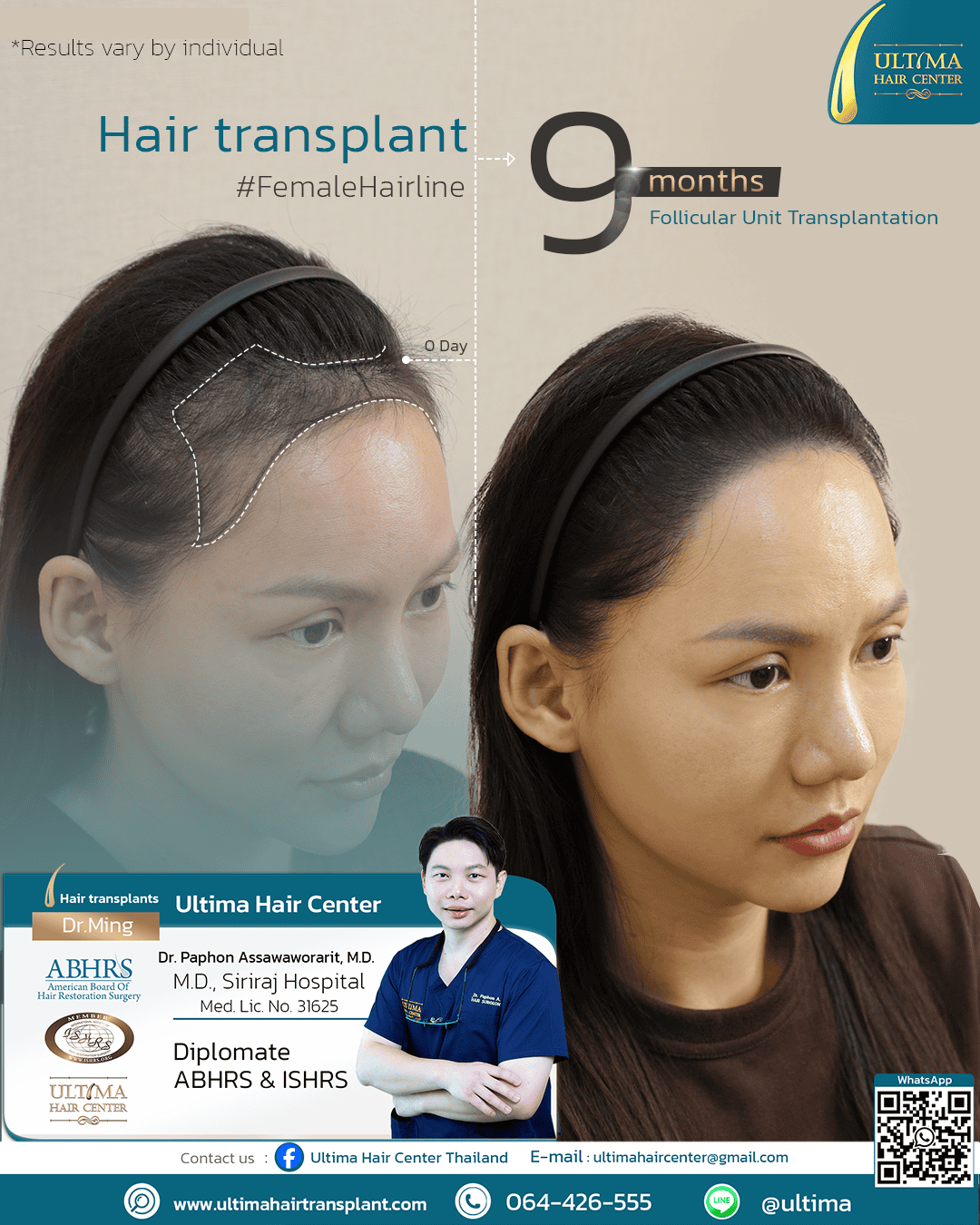
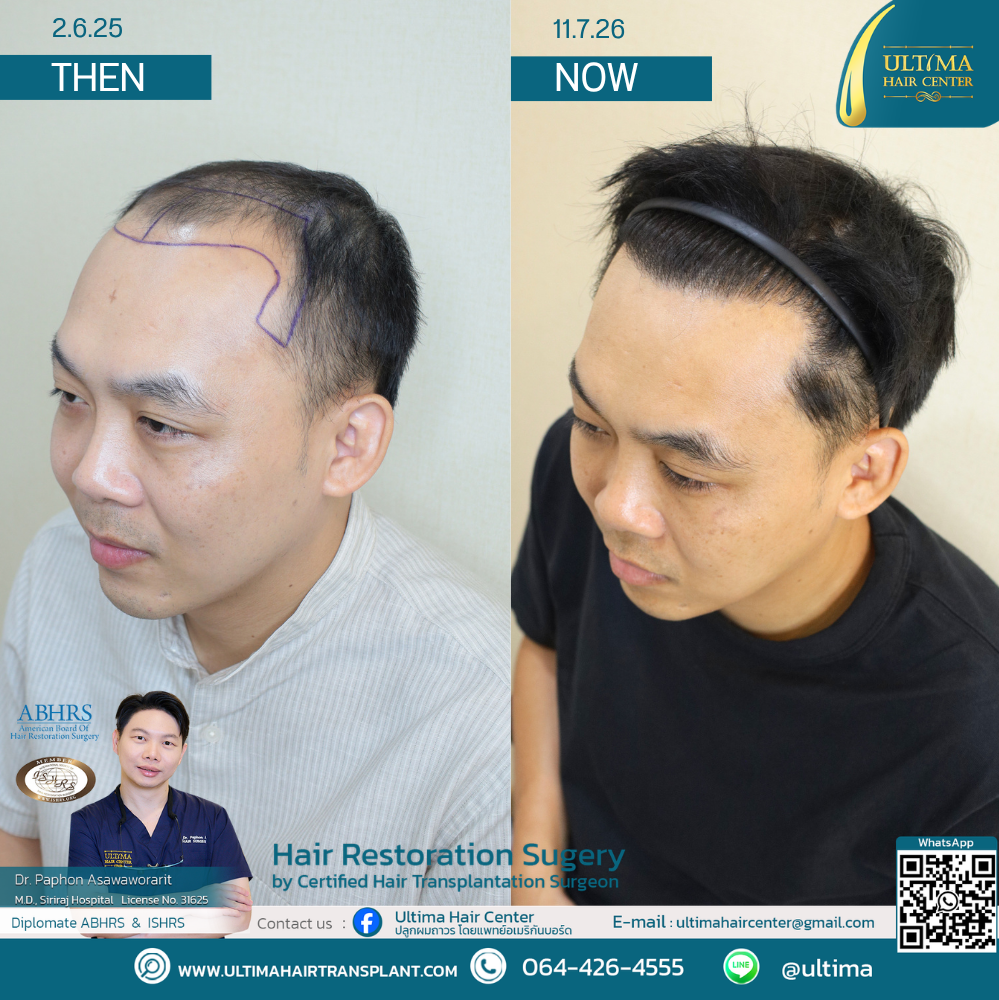 What Should Grafts at the Frontal Hairline Look Like?
The frontal hairline requires particularly careful planning because it is highly visible to other people.
Creating a suitable hairline involves more than placing a large number of grafts. Important considerations include:
- Hairline position
- Hairline height
- Hairline shape
- Hair emergence angles
- Hair direction
- Gradual changes in density
- Appropriate placement of single-hair grafts
Placing hair grafts at suitable angles, in the correct directions, and in appropriate positions can help create a more natural-looking hair transplant.
 How Is the Crown Different from the Frontal Hairline?
The Crown, also known as the Vertex, has a hair growth pattern that differs from that of the frontal hairline.
Hair in this area follows a particular distribution and direction that must be considered in relation to the patient's original growth pattern.
Simply placing a large number of grafts without considering the existing hair direction may not improve the overall appearance.
The physician must assess how much native hair remains in the Crown and determine how grafts should be positioned to complement the existing hair pattern.
 Are Grafts Obtained Through FUE and FUT the Same?
Both FUE and FUT can be used to obtain grafts for hair transplantation, but the methods used to harvest them from the Donor Area are different.
What Is FUE?
FUE stands for Follicular Unit Excision.
It involves removing individual Follicular Units from the Donor Area using small surgical instruments.
The ISHRS adopted the term Follicular Unit Excision in place of Follicular Unit Extraction to better reflect the nature of the surgical procedure.
 What Is FUT?
FUT, or Follicular Unit Transplantation, involves removing a strip of scalp from the Donor Area. The tissue is then dissected into individual grafts for transplantation.
FUE removes Follicular Units individually, whereas FUT involves removing a strip of scalp and preparing grafts from that tissue.
Both techniques can provide grafts for transplantation, but their harvesting processes differ.
 Where Do Grafts from the Donor Area Come From?
Hair used for transplantation is generally obtained from an area known as the Donor Area.
The back and sides of the scalp are common donor regions.
However, this does not mean that every hair in these areas can be harvested and used.
The physician must assess:
- Hair density
- Hair quality
- Hair shaft thickness
- Hair distribution
- Any thinning within the Donor Area
- The number of grafts that can reasonably be harvested
This is because Donor Hair is a limited resource.
Planning should therefore consider the long-term use of the available Donor Hair, rather than focusing only on the hair loss visible today.
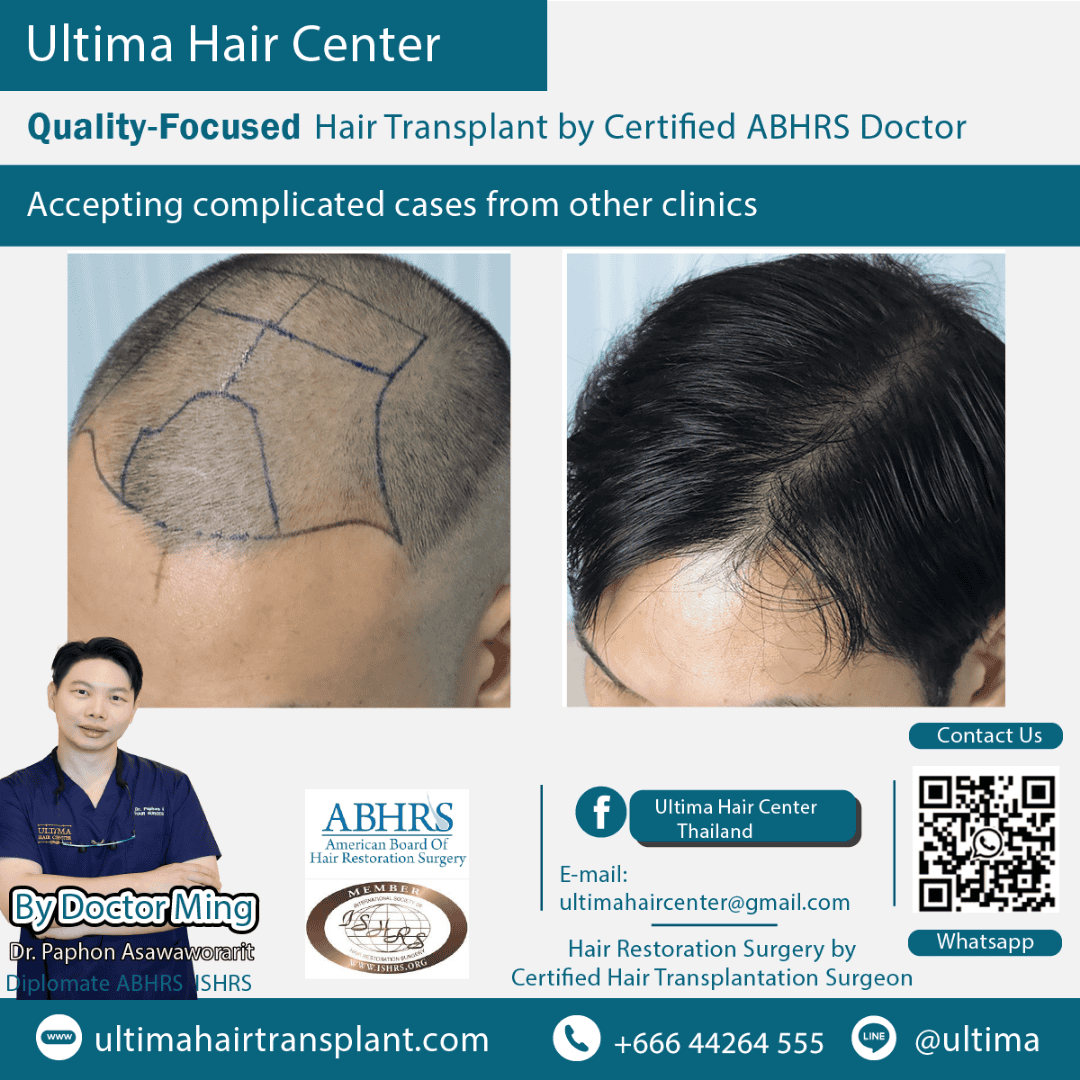 Can a Hair Transplant Be Performed if the Donor Area Has Few Grafts?
A hair transplant may still be possible in some cases, but the physician must assess whether enough suitable grafts are available for the area that needs treatment.
If the Donor Area has very low density, attempting to harvest a large number of grafts may not be an appropriate approach.
Before making a decision, patients should have their Donor Area carefully assessed by a physician. The treatment plan should reflect the available hair resources and establish realistic goals.
In some cases, it may be better to prioritize the most important areas first rather than attempting to cover every affected area.
 Why Is Asking Only “How Many Grafts?” Not Enough?
Consider a simple example.
Clinic A proposes 2,000 grafts.
Clinic B also proposes 2,000 grafts.
At first glance, both clinics appear to offer the same number of grafts.
In reality, their plans may differ in several ways, including:
- Graft integrity
- Average number of hairs per graft
- Proportions of one-hair, two-hair, and three-hair grafts
- Total number of hairs
- Hair shaft thickness
- Where the grafts will be placed
- Hairline design
- Target density
- Harvesting technique
- Graft preparation methods
- Graft placement methods
Therefore, when comparing clinics, patients should look beyond the stated graft count and ask what the proposed number of grafts represents and how the treatment plan will be carried out.
 What Questions Should You Ask About Graft Count and Hair Count?
During a hair transplant consultation, patients can ask their physician more specific questions, such as:
“How many grafts do you recommend, and approximately how many hairs are expected in total?”
Or:
“How many hairs per graft will be used at the hairline, and what types of grafts will be used farther behind it?”
These questions provide a clearer understanding of the treatment plan than simply asking, “How many grafts?”
 Is It Better to Have More or Fewer Grafts?
The answer is that there is no single ideal graft count for everyone.
The appropriate number of grafts should be consistent with:
The area to be treated + the Donor Area + hair characteristics + the patient's goals + long-term planning
Some patients may need a larger number of grafts to address a wide area of hair loss.
Others may need fewer grafts but require particularly detailed planning of the frontal hairline.
Therefore, instead of asking, “What is the best number of grafts?” a more useful question is:
“How many grafts are appropriate for my specific hair loss pattern?”
 How Important Are Grafts for a Natural-Looking Hair Transplant?
A natural-looking hair transplant does not depend on graft count alone.
Important factors include:
- Selecting grafts appropriate for each location
- Using single-hair grafts where suitable
- Determining hair emergence angles
- Following the appropriate hair direction
- Designing the hairline
- Distributing grafts appropriately
- Preserving existing hair
- Planning the use of the Donor Area
Appropriate placement of Follicular Unit Grafts, including their angles, directions, and positions, is an important part of creating a natural-looking result.
 Should You Choose a Clinic Based on Graft Count?
You should not choose a clinic based on graft count alone.
If you are looking for a hair transplant clinic in Bangkok, consider other important factors as well.
1. The Physician's Credentials
Check the physician's qualifications and professional status through reliable sources.
For those considering a hair transplant with an American Board-certified ABHRS physician, it is advisable to verify the physician's status and details directly through the ABHRS database.
The ABHRS information cited in the source article lists Dr. Paphon Asawaworarit at Ultima Hair Center in Bangkok, with a status of Verified and a Certification Year of 2019.
2. Real Patient Results
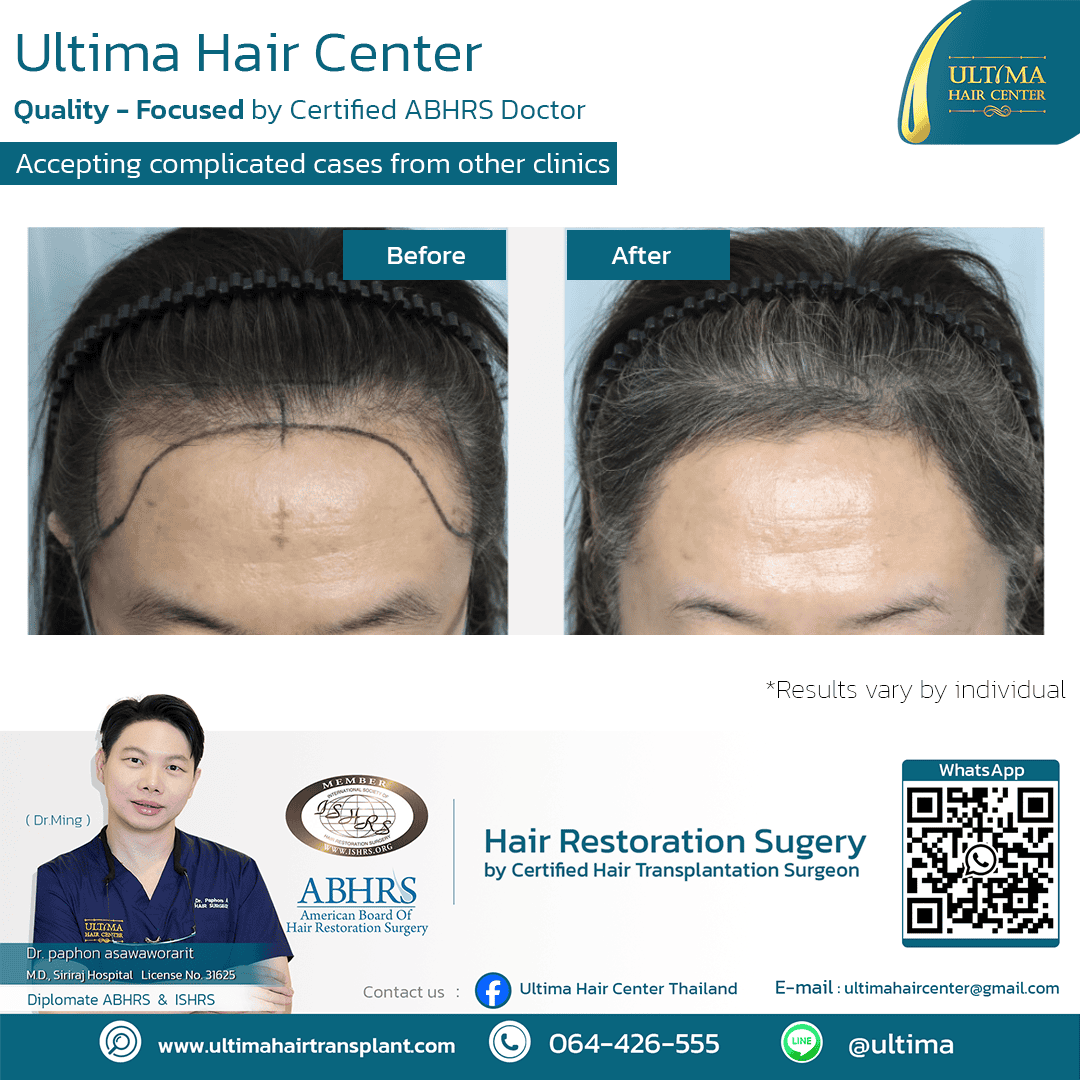
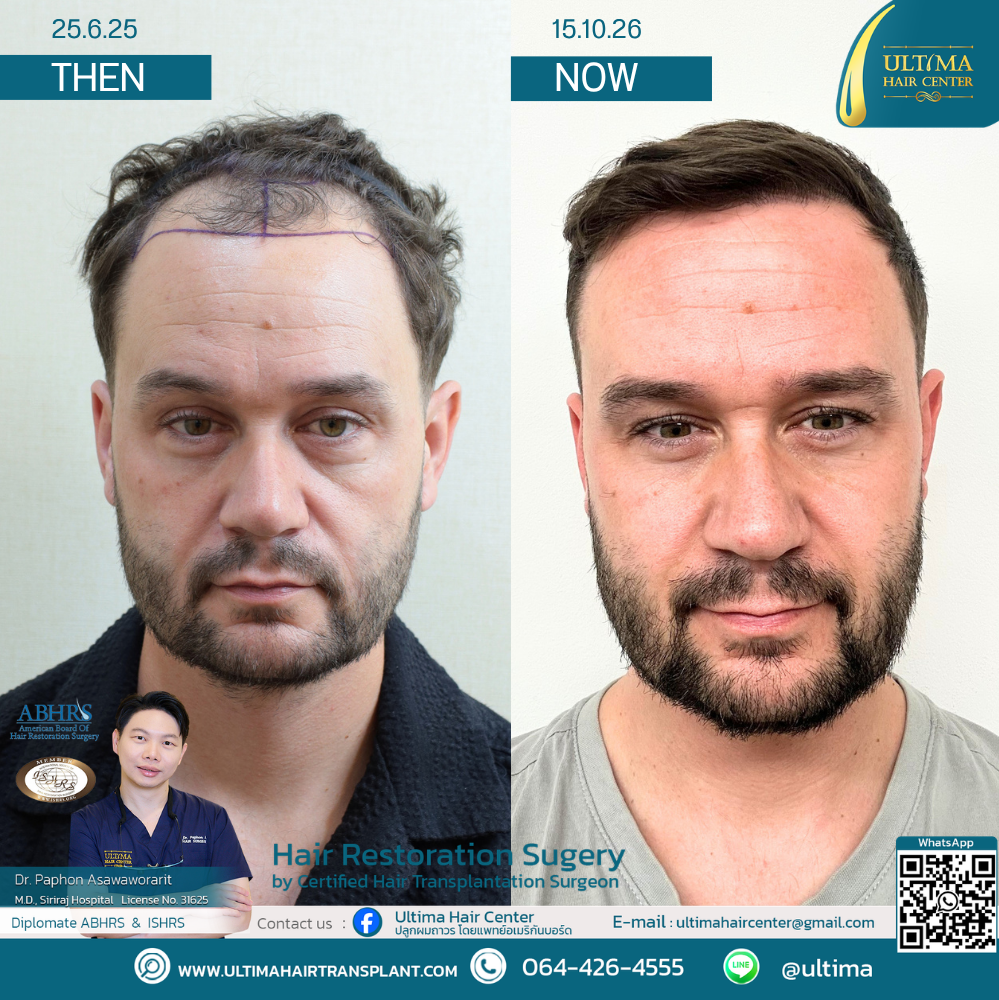
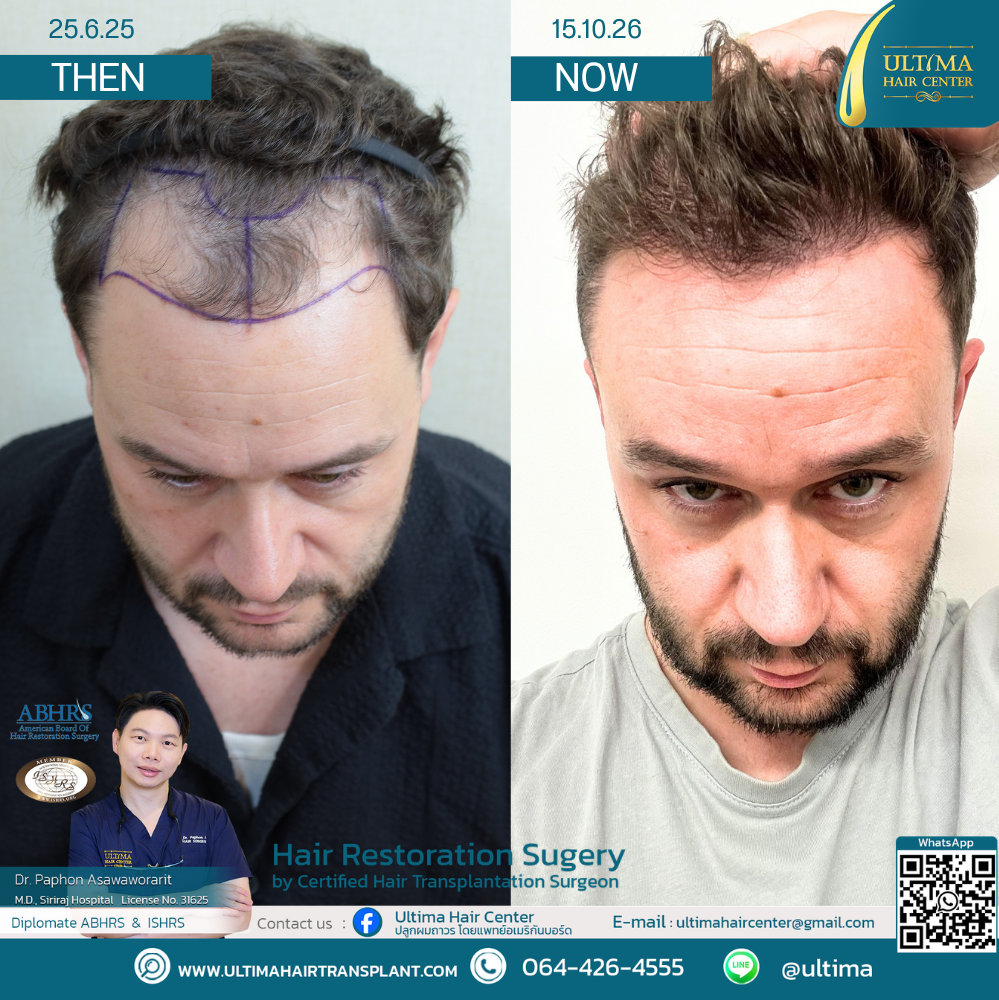
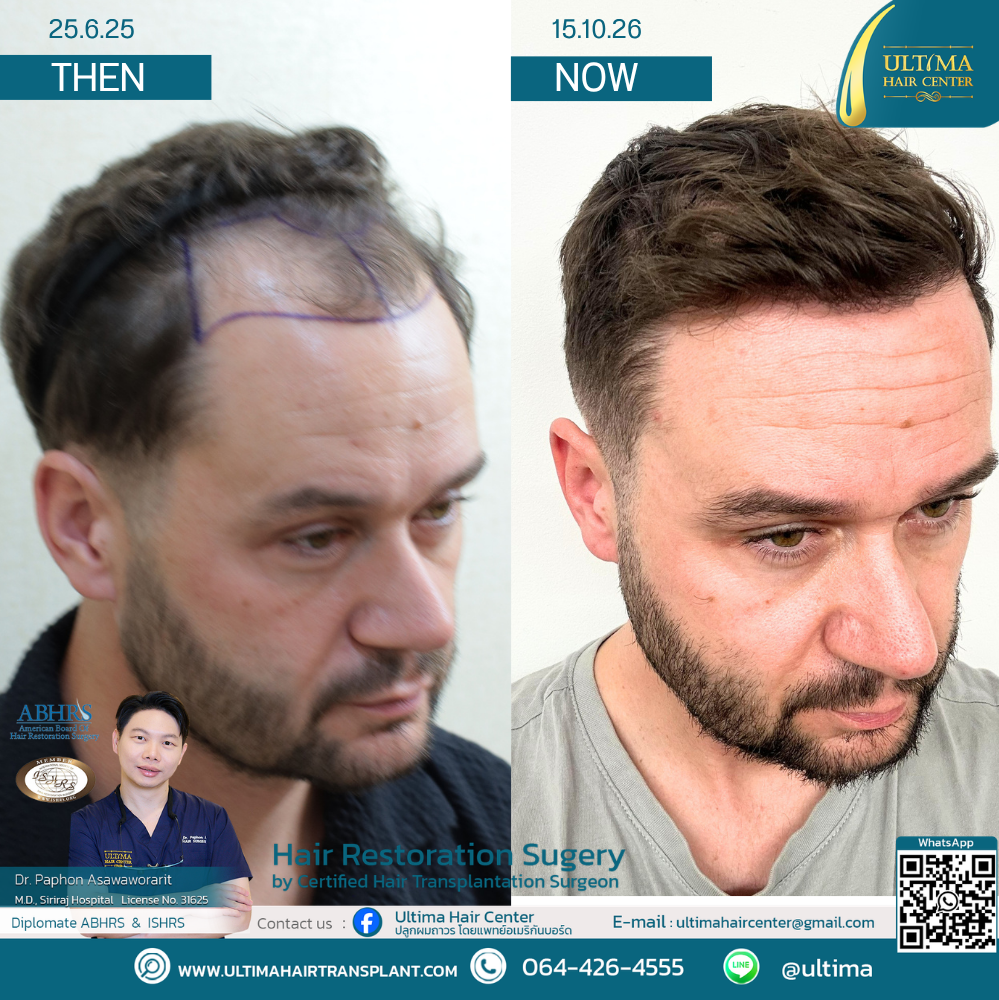
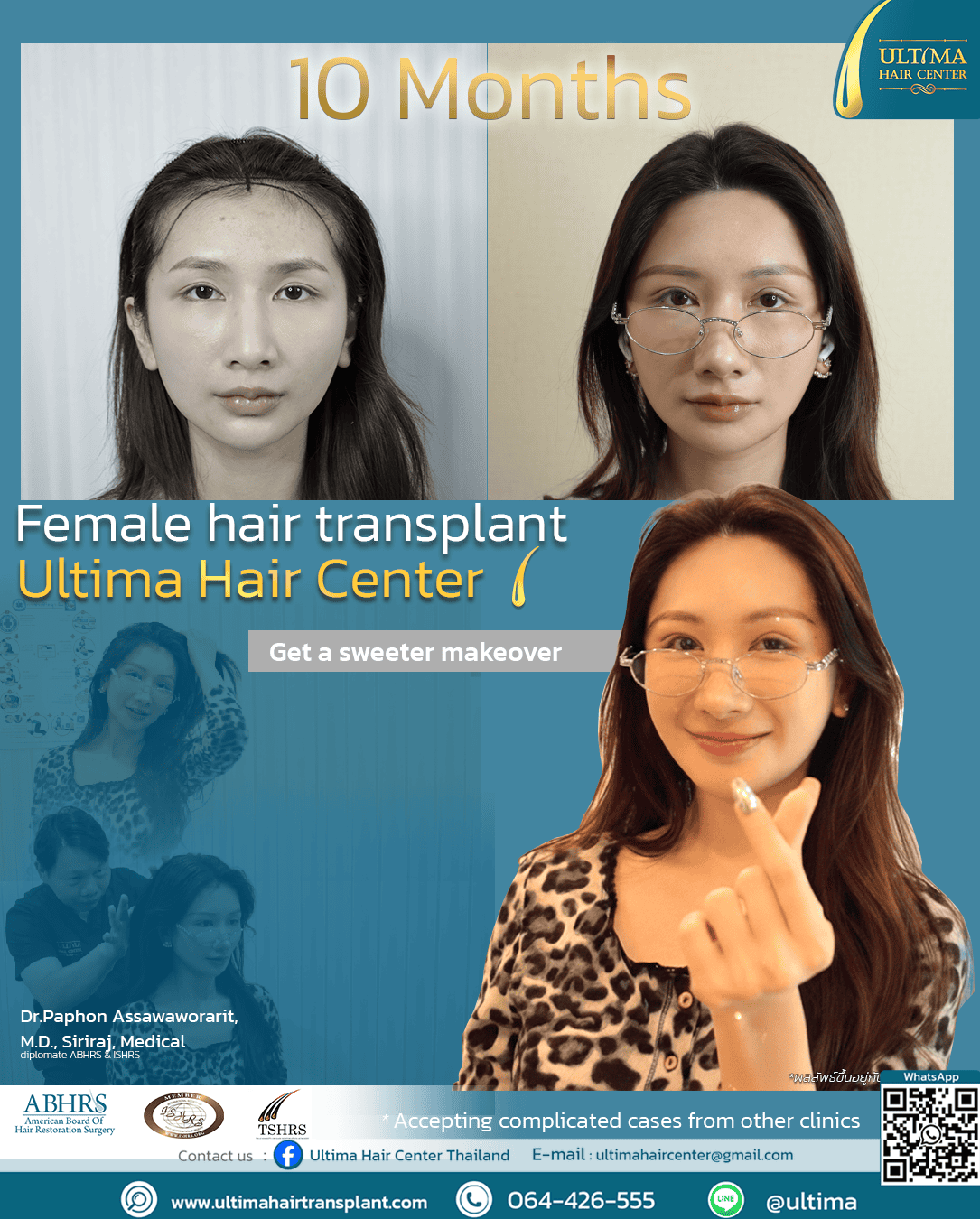
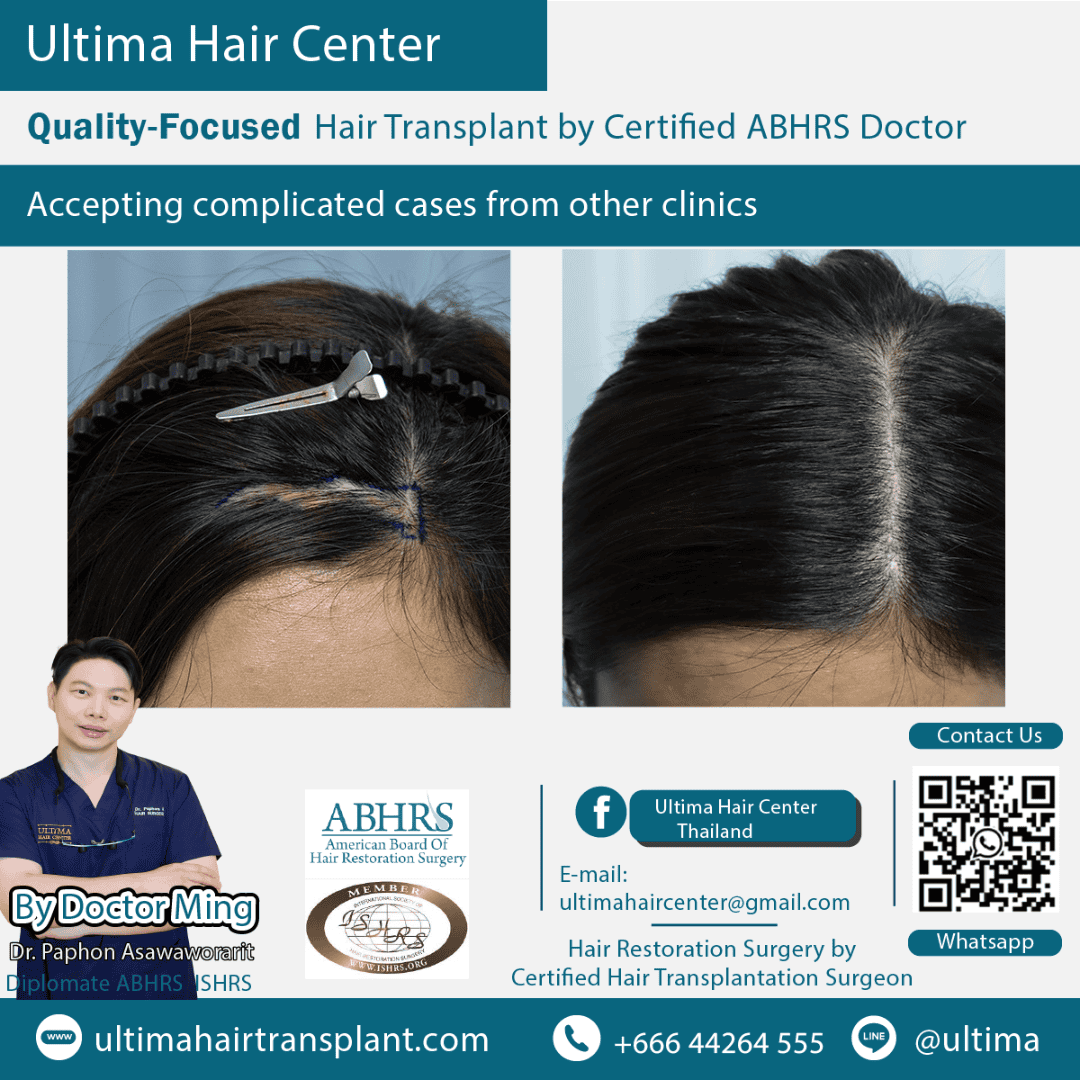
Review before-and-after photographs of actual patients and consider whether the results are relevant to your own hair loss pattern.
3. Preoperative Planning
The assessment should include both the Recipient Area and the Donor Area. The recommended graft count should not be determined solely from photographs.
4. Communication with the Physician
Patients should be able to ask the physician clear questions about graft count, techniques, limitations, and expected outcomes.
 Why Ultima Hair Center Prioritizes the Right Grafts Rather Than Simply Using More
Ultima Hair Center emphasizes individualized hair transplant planning. Graft count is treated as one component of the treatment plan, rather than the sole objective.
An assessment should consider the recipient area, the condition of the Donor Area, the number of hairs per graft, hair characteristics, and the patient's goals.
For patients seeking quality-focused hair transplantation, the priority should not be to maximize the number of grafts. Instead, it should be to use the available grafts in appropriate locations and develop a plan suited to each person's hair characteristics.
The ABHRS Physician Directory information cited in the source article lists Dr. Paphon Asawaworarit at Ultima Hair Center in Bangkok and includes the clinic's website in the physician's profile.
Patients can also consult Dr. Ming for free to discuss their hair concerns and possible treatment approaches before making a decision. In addition, Dr. Ming personally responds to patient messages, allowing patients to ask the physician directly for preliminary information.
 Summary: What Is a Hair Graft?
A hair graft is a unit of tissue containing hair follicles that is harvested from the Donor Area and transplanted into an area with thinning hair or hair loss.
The most important point to remember is:
One graft does not equal one hair.
A Follicular Unit generally contains approximately 1–3 hairs, and occasionally 4 hairs. The average cited in the source article is approximately 2.4 hairs per unit in people of European ancestry.
Therefore, 2,000 grafts do not mean that only 2,000 hairs will be transplanted. The actual hair count depends on the average number of hairs per graft for each patient.
More importantly, graft count alone is not a measure of hair transplant quality.
A well-planned hair transplant should consider the cause of hair loss, the Donor Area, graft quantity and quality, hairline design, recipient locations, hair angles and directions, and the appropriate use of Donor Hair.
The goal is not simply to place as many grafts as possible into an area with thinning hair. It is to use the available hair resources appropriately and create an overall result that looks natural and suits the individual patient.
 FAQ: Frequently Asked Questions About Hair Grafts
Q1: What is a hair graft?
A hair graft is a unit of tissue containing hair follicles that is harvested from the Donor Area and transplanted into an area with thinning hair or hair loss. Modern hair transplantation generally involves grafts corresponding to Follicular Units.
Q2: How many hairs are in one graft?
A Follicular Unit generally contains 1–3 hairs, although units with 4 hairs may occasionally be found. The average cited in the source article is approximately 2.4 hairs per unit in people of European ancestry. However, the proportions of different graft types vary from person to person.
Q3: How many hairs are in 1,000 grafts?
There is no single answer that applies to everyone because the average number of hairs per graft varies. If we assume an average of 2.4 hairs per graft, 1,000 grafts would contain approximately 2,400 hairs.
Q4: Are grafts and hairs the same thing?
No. A graft is a unit of tissue containing hair follicles, whereas a hair is the strand that grows from a follicle. Therefore, one graft can contain more than one hair.
Q5: Is using more grafts always better?
Not necessarily. The number of grafts should be appropriate for the area being treated, the condition of the Donor Area, the number of hairs per graft, hair characteristics, and the patient's goals. Using more grafts than necessary may not be appropriate for every patient.
Q6: How are grafts obtained in FUE?
FUE, or Follicular Unit Excision, involves removing individual Follicular Units from the Donor Area. The harvested grafts are then prepared and transplanted into the Recipient Area.
Q7: How are grafts obtained in FUT?
FUT involves removing a strip of scalp from the Donor Area. The tissue is then dissected and prepared into individual grafts for transplantation.
Q8: Where are single-hair grafts most suitable?
Single-hair grafts can be useful for creating fine details in areas such as the frontal hairline. However, graft selection should be based on the characteristics of the individual patient and the location being treated.
Q9: What should I ask my physician about grafts before a hair transplant?
Ask about the recommended graft count, estimated total hair count, types of grafts to be used, planned placement areas, available Donor Hair, and the reasons behind the proposed graft count.
Q10: Should I choose a hair transplant based on graft count?
You should not consider graft count alone. Other factors include the physician's qualifications, diagnosis, Donor Area planning, hairline design, transplantation technique, actual patient results, and the proposed postoperative care plan.
Contact Us:
Dr. Paphon Asawaworarit (Dr. Ming)
Physician Directory ABHRS
Ultima Hair Center (Thailand Website)
Ulitma Hair Transplant (English Website)
Line: @ultima
E-mail: ultimahaircenter@gmail.com


Comments
Post a Comment