Frequently Asked Questions About Hair Transplantation | Ultima Hair Center
Frequently Asked Questions About Hair Transplantation | Ultima Hair Center
1. What Is an ABHRS-Certified Physician?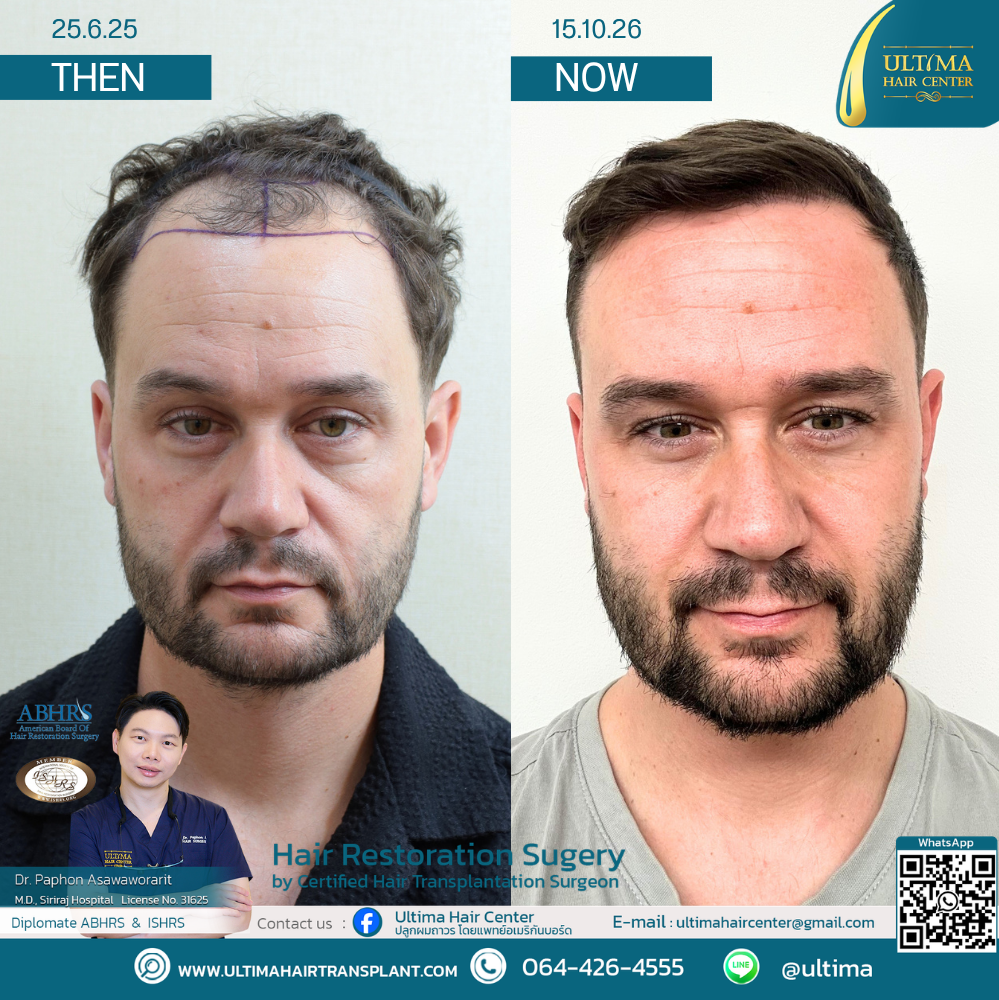 2. What Are the Requirements for ABHRS Certification?
 3. Why Is ABHRS Certification Important?
 4. Is Dr. Ming Really an ABHRS-Certified Physician?
 5. Who Is Dr. Ming?
 6. Does Dr. Ming Personally Respond to Patient Messages?
 7. How Is Hair Transplantation Priced?
 8. How Much Does a 3,000-Graft Hair Transplant Cost?
 9. How Much Does a 2,000-Graft Hair Transplant Cost?
 10. Does Ultima Hair Center Treat Hair Transplant Cases From Other Clinics?
 11. How Does Ultima Hair Center Calculate the Number of Grafts Needed?
 12. Where Is Ultima Hair Center Located?
 13. How Can I Find a Hair Transplant Clinic Near Me?
 14. Can I Have a Hair Transplant at 20 Years Old?
 15. What Is the Difference Between DHI, FUE, and FUT Hair Transplantation?
 16. What Is FUE Hair Transplantation?
- Does not leave a linear scar
- Hair density in the Donor area may decrease
 17. What Is FUT Hair Transplantation?
- Can provide a large number of grafts
- Does not cause the same pattern of widespread density reduction in the Donor area that can occur with FUE harvesting
- Can yield high-quality grafts when appropriately performed
- Leaves a linear scar
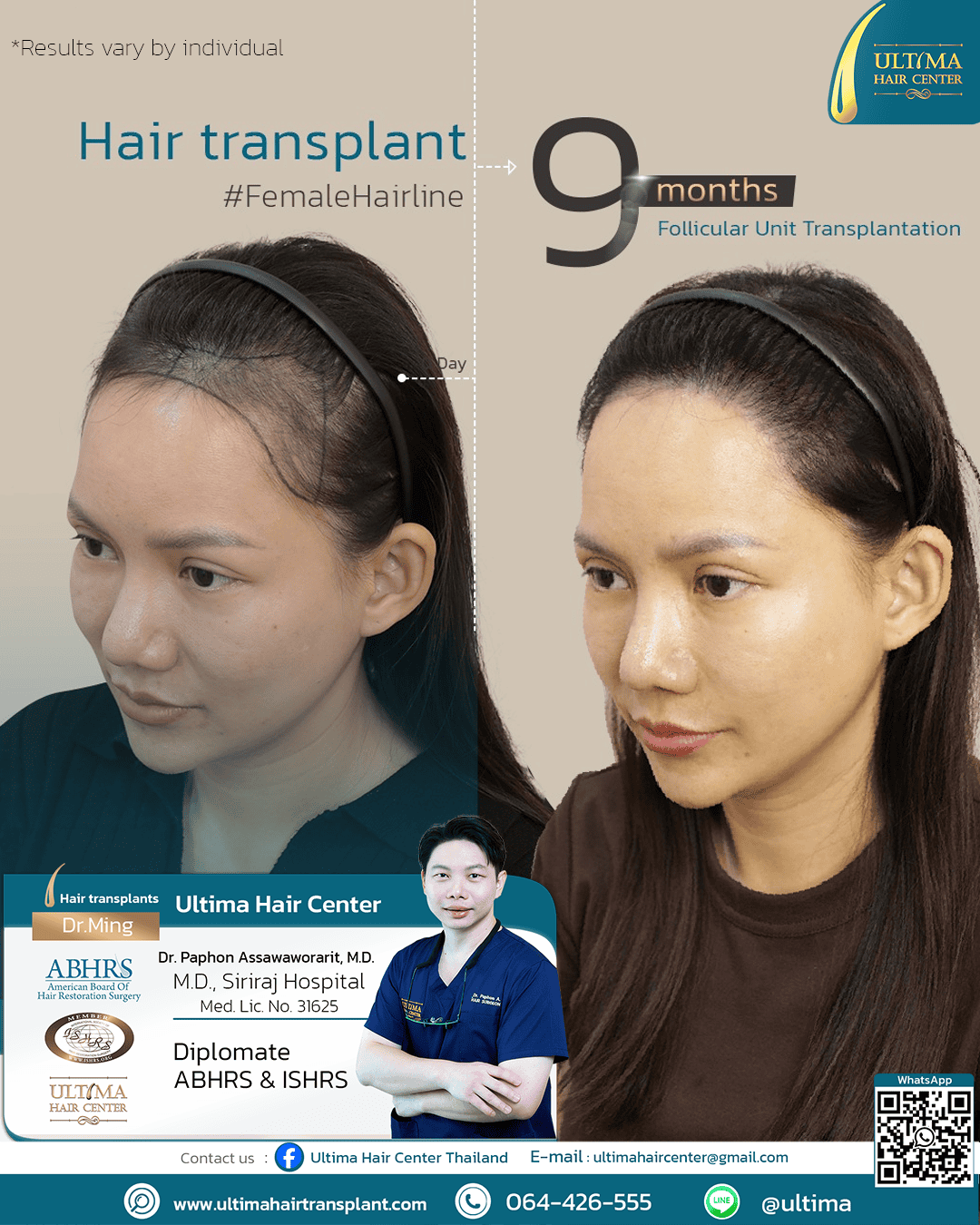 18. Which Hair Transplant Techniques Does Ultima Hair Center Use?19. Can I Have More Hair Transplanted Without Correcting My Previous Transplant?
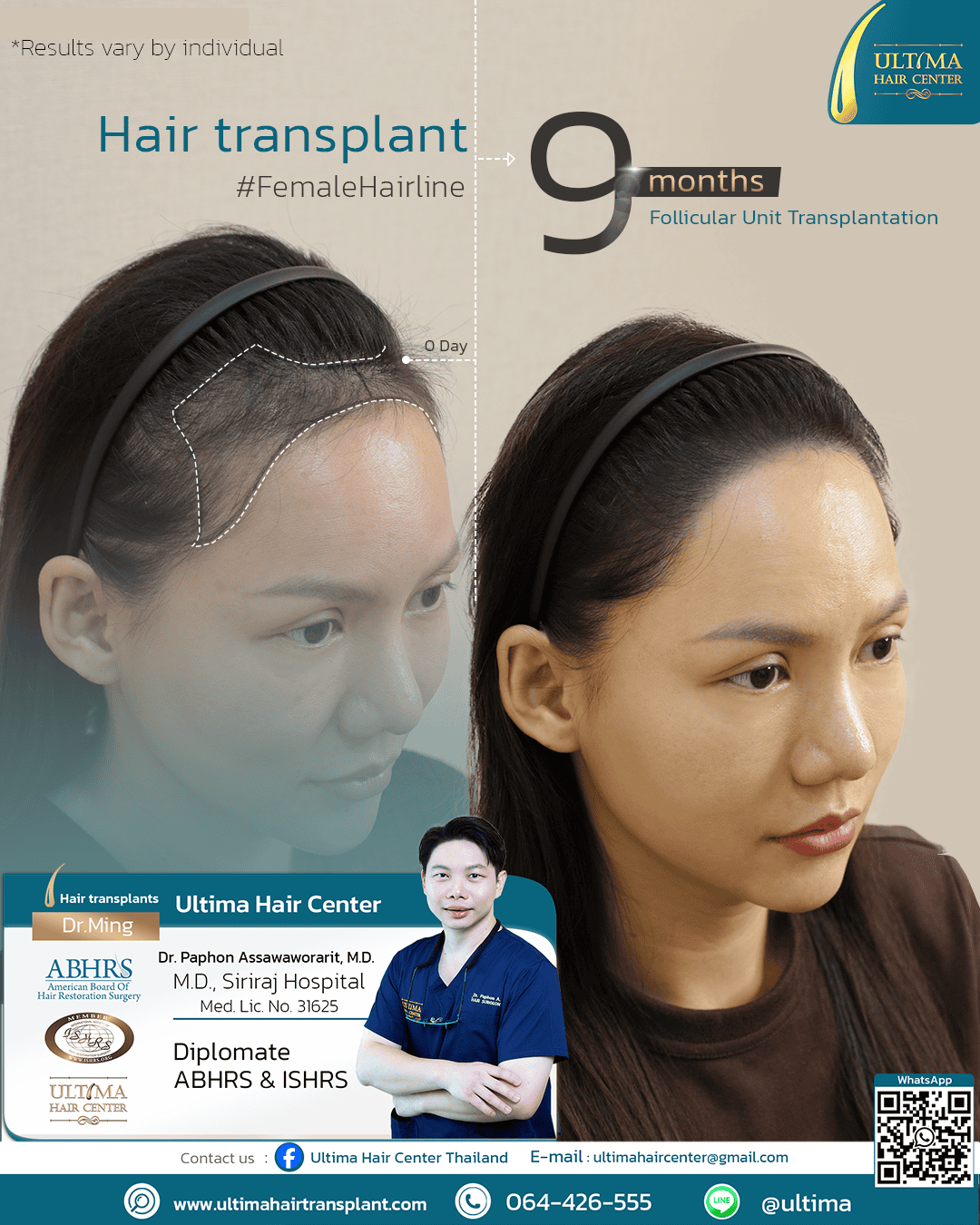 20. Is It Normal Not to See Much Hair Growth Two Months After a Hair Transplant?
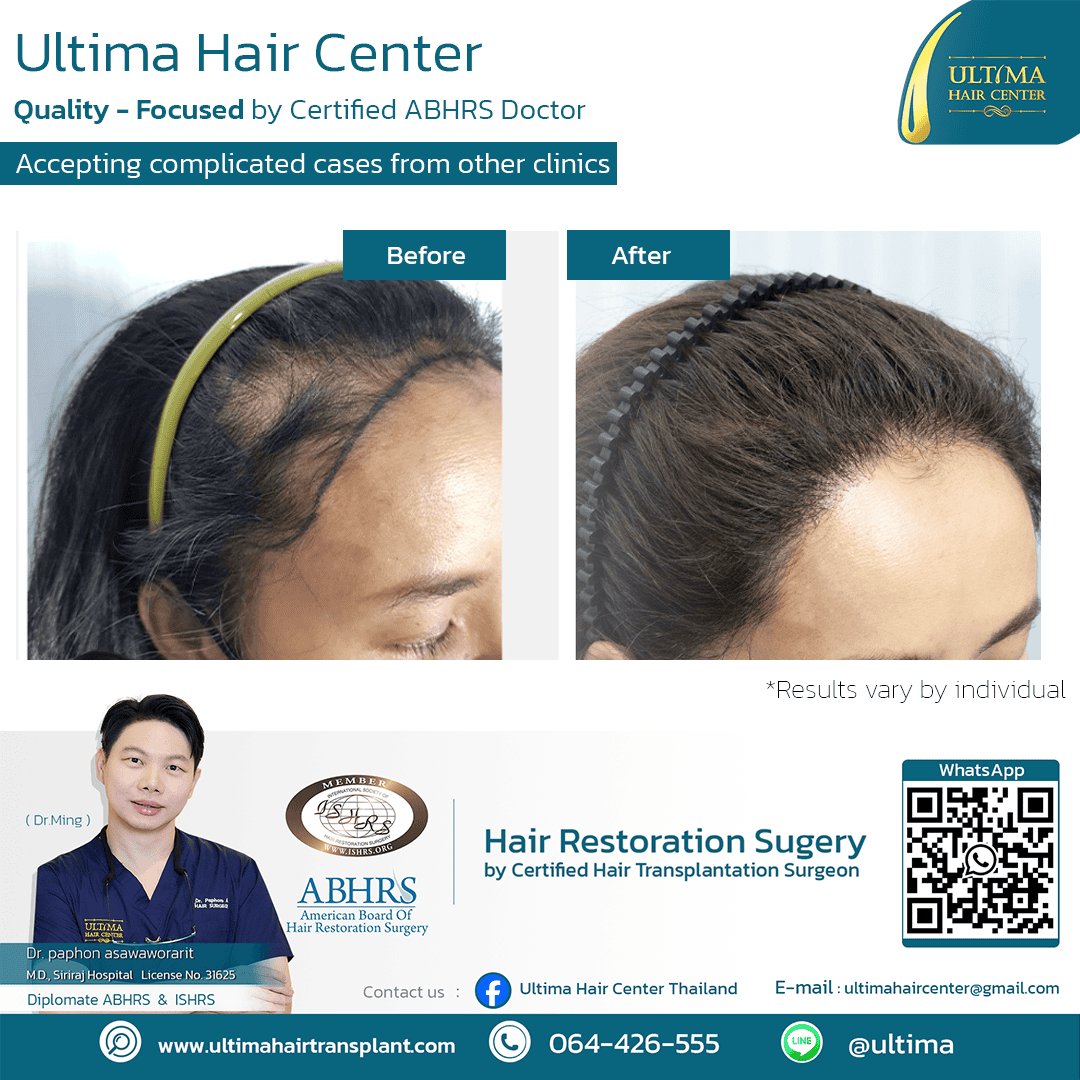 21. How Many Months Does It Take for Hair to Look Good After a Hair Transplant?
 22. What Is the Hair Transplant Recovery Timeline?
- Months 1–2: Most of the transplanted hairs may shed before new growth begins
- Months 3–4: New hair growth often becomes more noticeable
- Months 5–6: Hair density gradually increases, and changes compared with the pre-transplant appearance may become clearer
- Months 9–12: Results are generally approaching their full development
 23. What Shampoo Should I Use After a Hair Transplant?

Contact Us:
Dr. Paphon Asawaworarit (Dr. Ming)
Physician Directory ABHRS
Ultima Hair Center (Thailand Website)
Ulitma Hair Transplant (English Website)
Line: @ultima
E-mail: ultimahaircenter@gmail.com
x
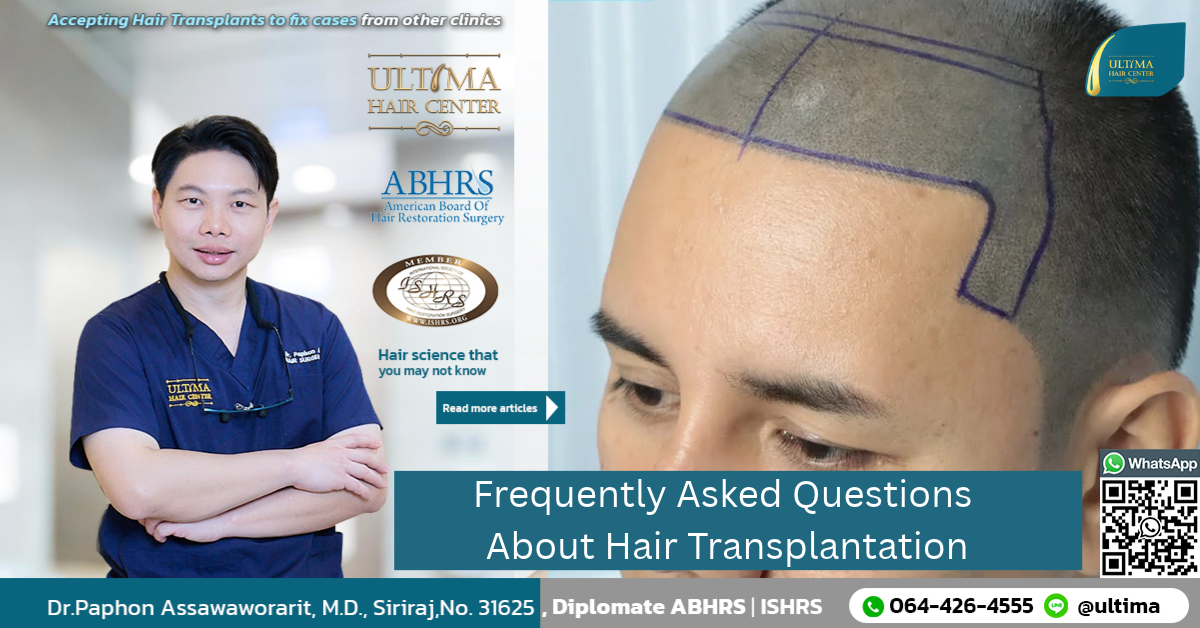
ABHRS, or American Board of Hair Restoration Surgery, is an organization that certifies physicians in the field of hair restoration surgery. Physicians seeking certification must demonstrate knowledge, skills, and experience in evaluating hair loss, planning treatment, performing hair transplantation, and providing patient care
ABHRS certification is one factor patients can consider when choosing a hair transplant physician, alongside the physician’s experience, clinical results, and approach to patient care
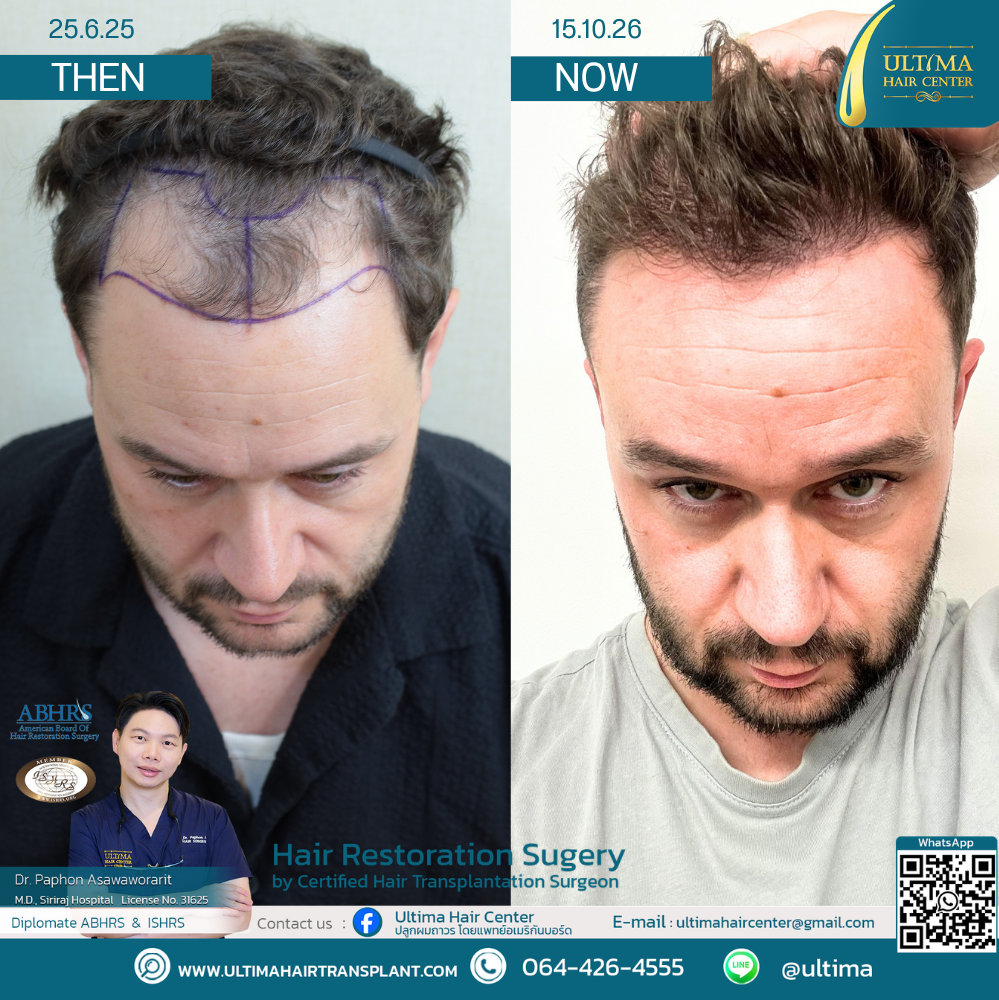
ABHRS, or American Board of Hair Restoration Surgery, has a certification process that evaluates physicians’ knowledge and skills related to hair restoration surgery and the management of hair-loss conditions. Physicians must meet the eligibility requirements and pass the examinations specified by ABHRS
The assessment covers medical knowledge, patient evaluation, hair transplant planning, and the principles of hair restoration surgery. This type of certification is different from simply attending a training course or receiving a certificate of completion from a general educational program
ABHRS, or American Board of Hair Restoration Surgery, certification is one qualification that patients may consider when choosing a hair transplant physician. Hair transplantation involves more than extracting and implanting hair grafts. It also requires evaluating the cause of hair loss, designing the Hairline, planning the number of grafts, assessing the Donor area, and considering long-term outcomes
Physicians must also assess and manage potential risks at every stage of the procedure to help preserve graft quality and achieve a good result
Patients should therefore consider several factors when choosing a physician, with ABHRS certification being one of the professional qualifications worth checking
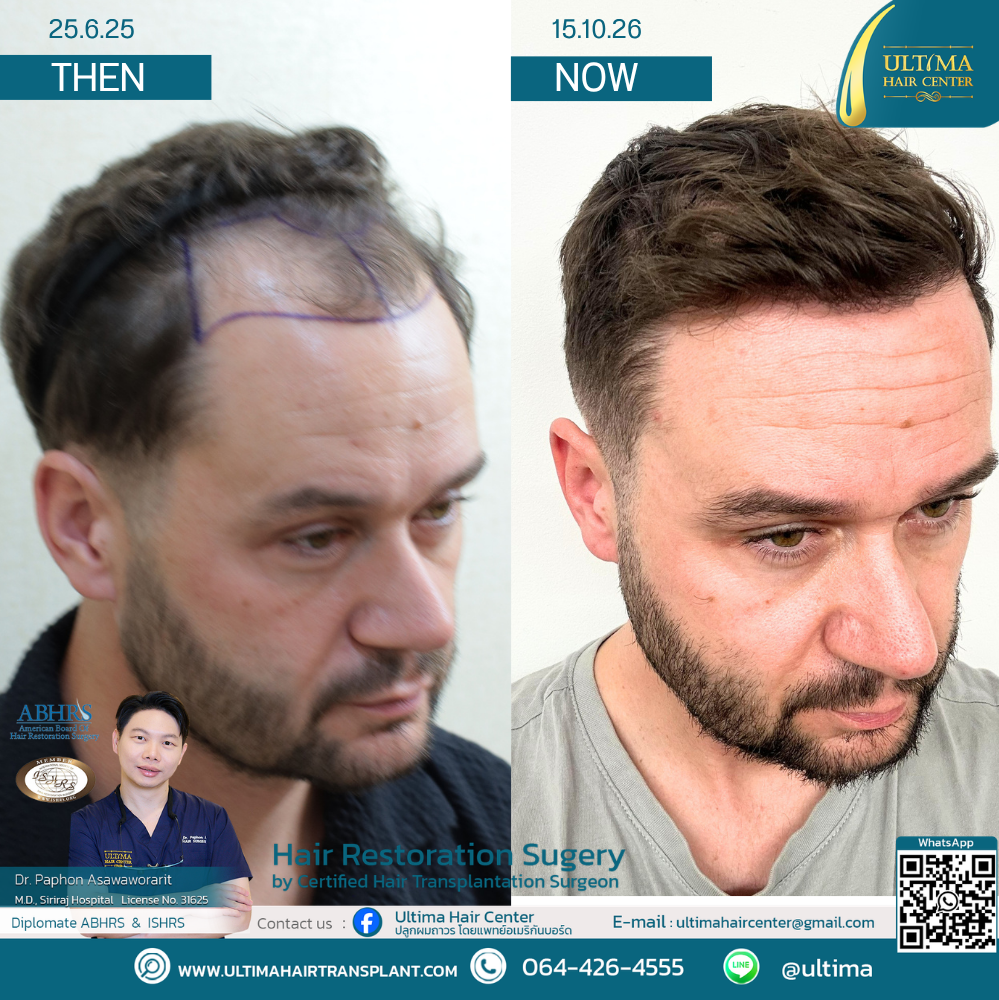
Dr. Ming, Dr. Paphon Asawaworarit, is the physician responsible for patient care at Ultima Hair Center and is certified by the American Board of Hair Restoration Surgery (ABHRS)
His approach to hair transplantation includes evaluating hair loss, designing the Hairline, planning the number of grafts, and monitoring patients after treatment. Those interested in his qualifications can check the relevant professional records and information published by the clinic
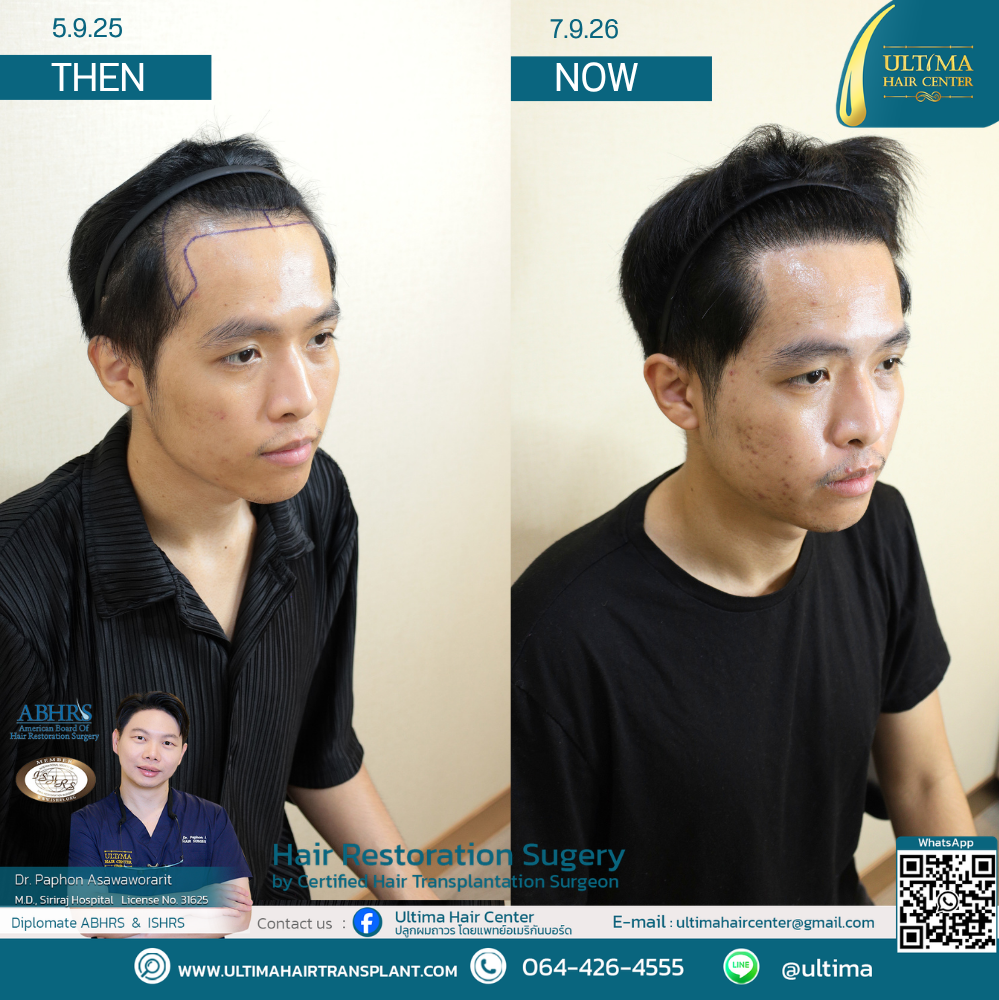
Dr. Ming, Dr. Paphon Asawaworarit, is the founder of Ultima Hair Center. His approach emphasizes individualized assessment of hair loss, Hairline design suited to each patient's facial features and age, careful management of grafts from the Donor area, and appropriate treatment planning
Dr. Ming is certified by the American Board of Hair Restoration Surgery (ABHRS) and provides care for both first-time hair transplant patients and those seeking consultation about problems following a hair transplant performed elsewhere
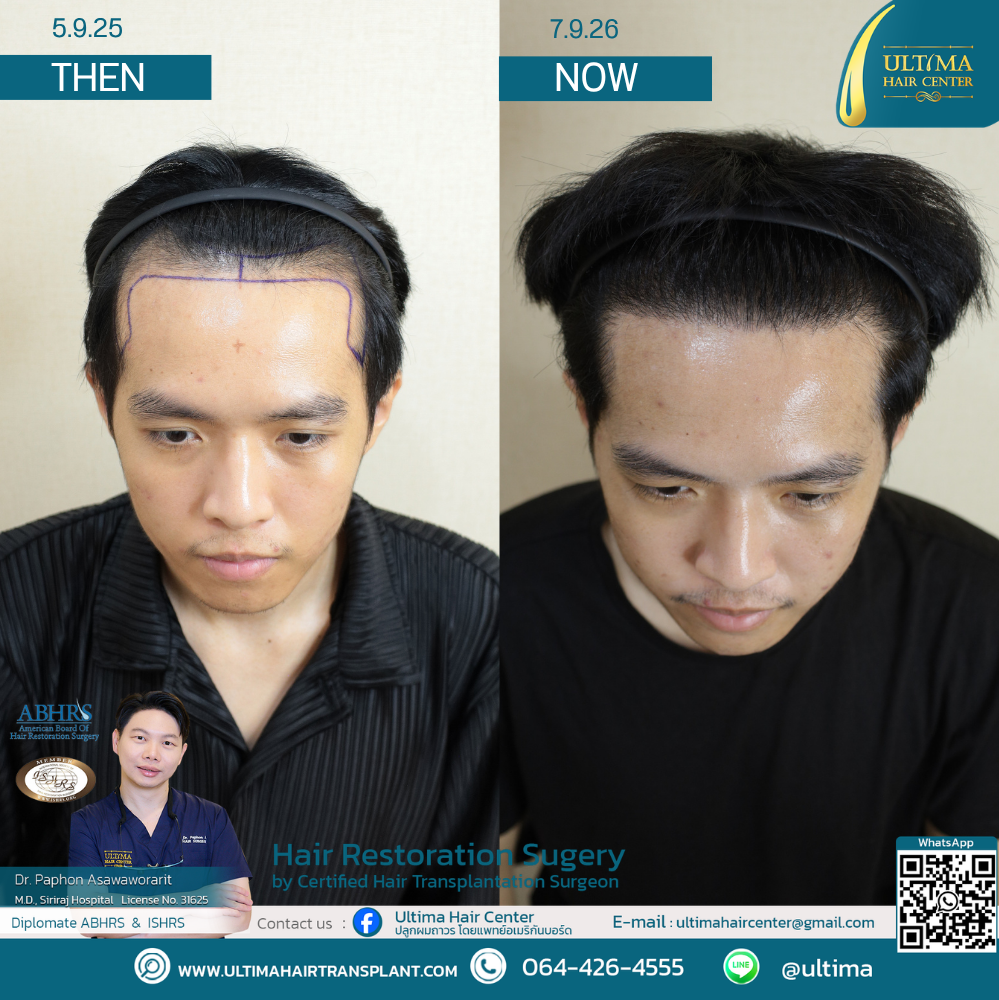
Dr. Ming personally responds to patient messages and provides information to help patients make informed decisions about hair transplantation
Patients can directly discuss their hair-loss concerns, possible treatment options, and the limitations of different approaches. They do not need to go through a sales team focused on selling treatment packages, allowing them to ask questions and communicate with the physician before arranging an in-clinic assessment
Ultima Hair Center emphasizes direct assessment by a physician
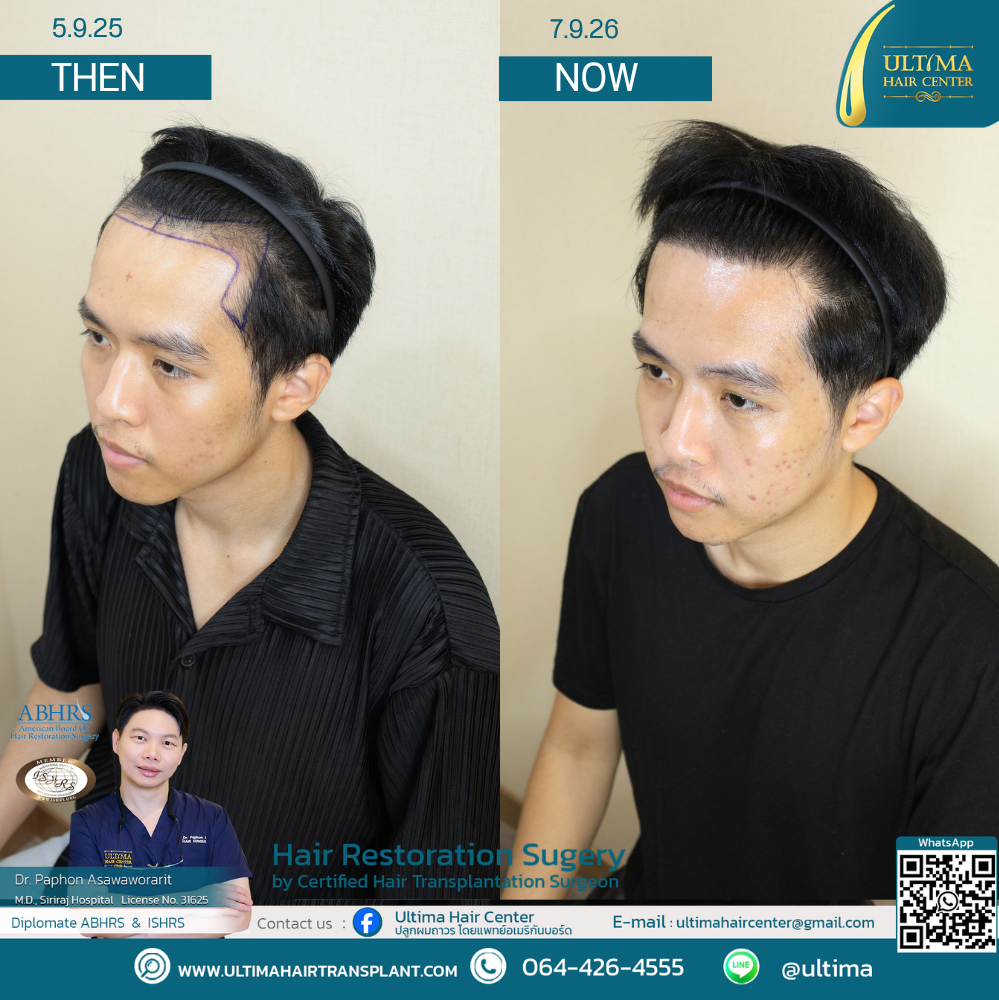
Dr. Ming evaluates the size of the area to be treated, designs the Hairline, and assesses the condition of the Donor area. Since each patient has different hair-loss concerns and treatment goals, a physician-led assessment helps determine an appropriate graft count and transplantation technique before the cost is provided based on the proposed treatment plan
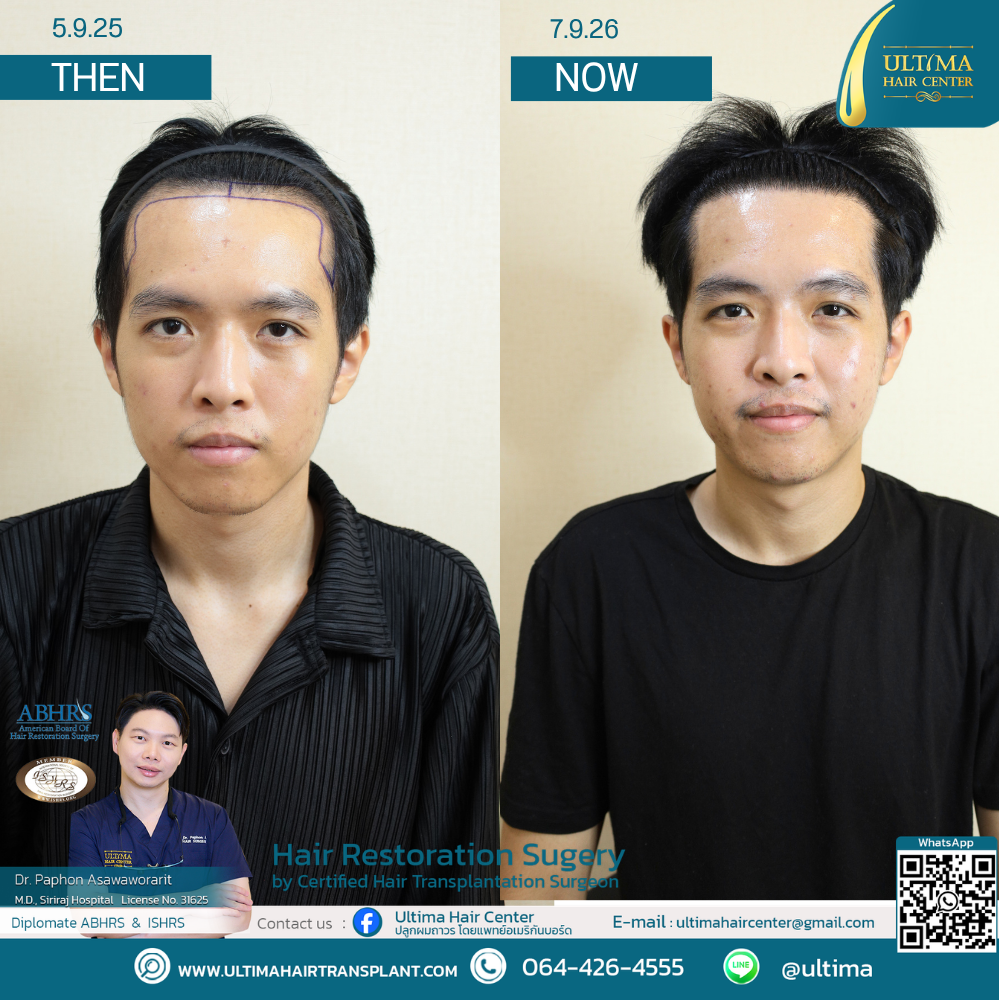
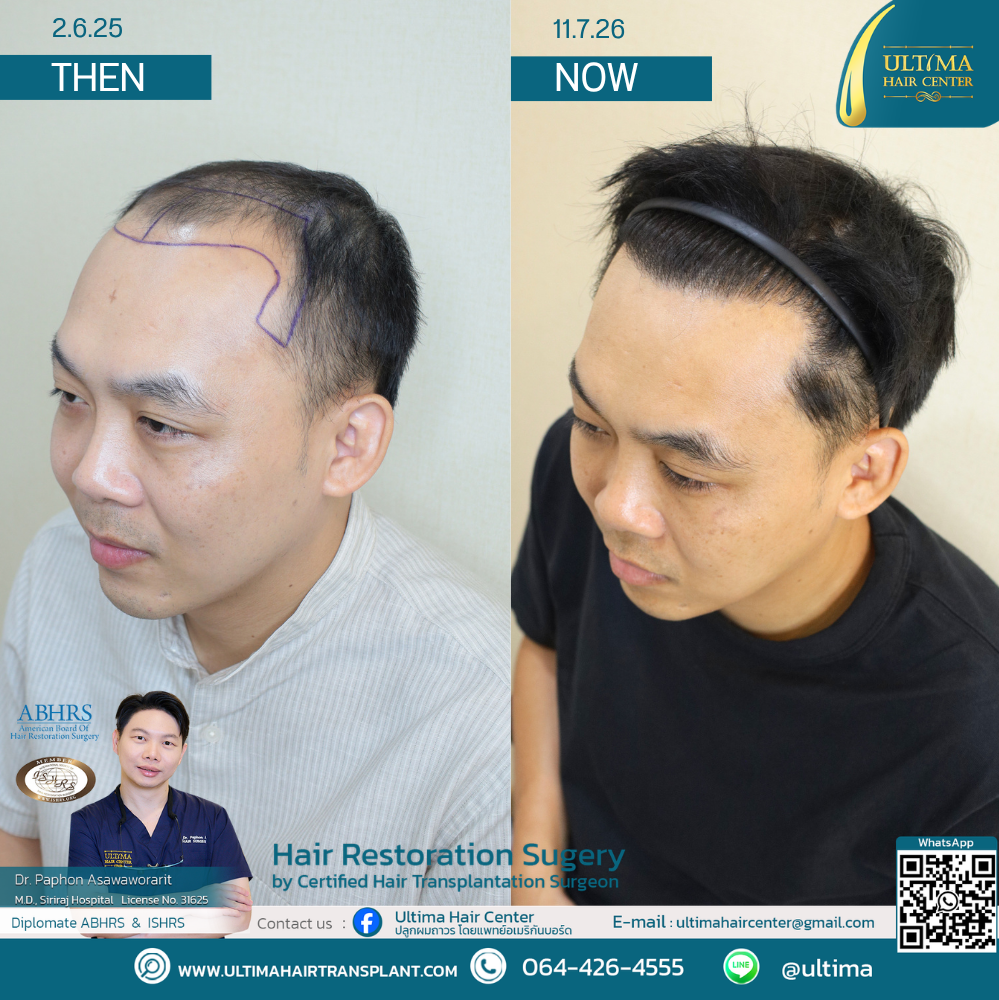
Dr. Ming first evaluates the patient and designs the Hairline to estimate how many grafts may be needed for the intended area
The appropriate graft count depends not only on the size of the area but also on existing hair density, hair characteristics, and the condition of the Donor area. Therefore, even when a patient is considering a 3,000-graft hair transplant, the treatment plan should be assessed before an appropriate cost can be provided
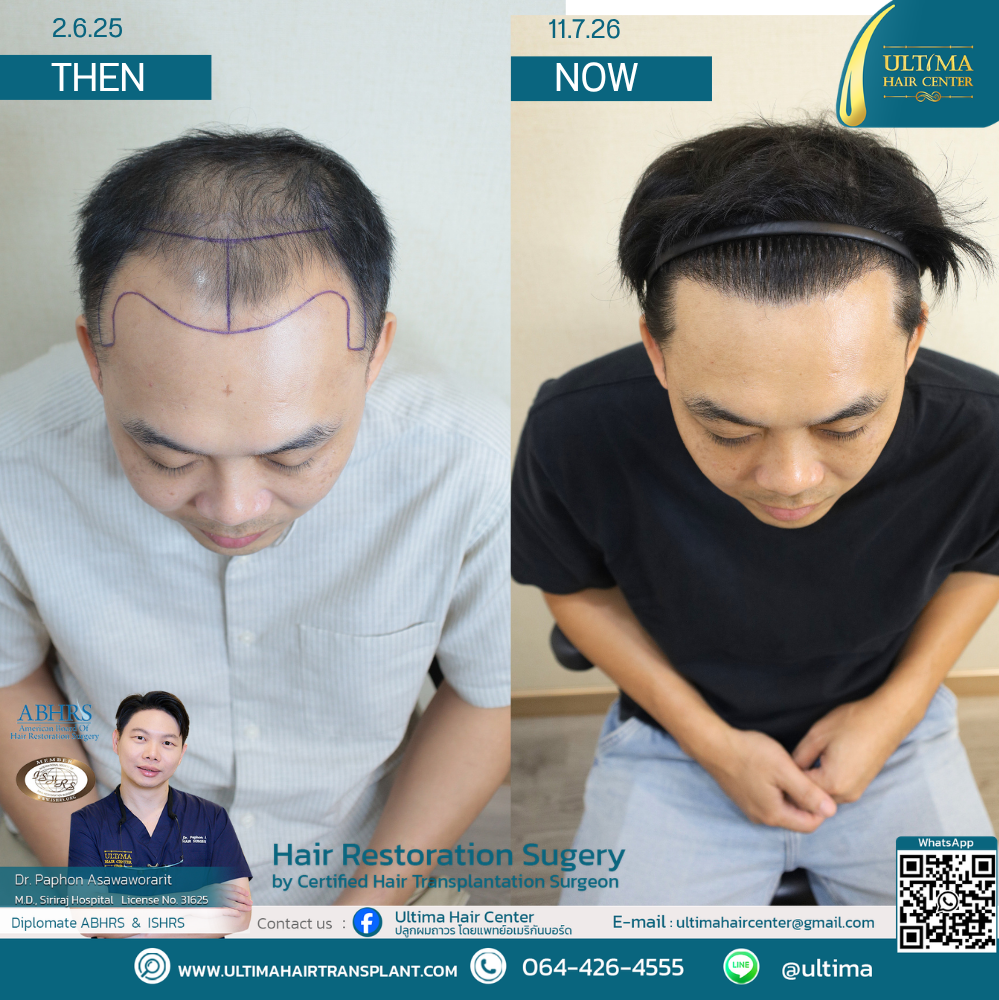
Dr. Ming first assesses whether approximately 2,000 grafts would be suitable for the area to be treated. The evaluation considers the Hairline, desired density, hair characteristics, and the number of available grafts in the Donor area
Graft planning should begin with a treatment plan tailored to the individual. The cost can then be calculated according to the technique and number of grafts planned
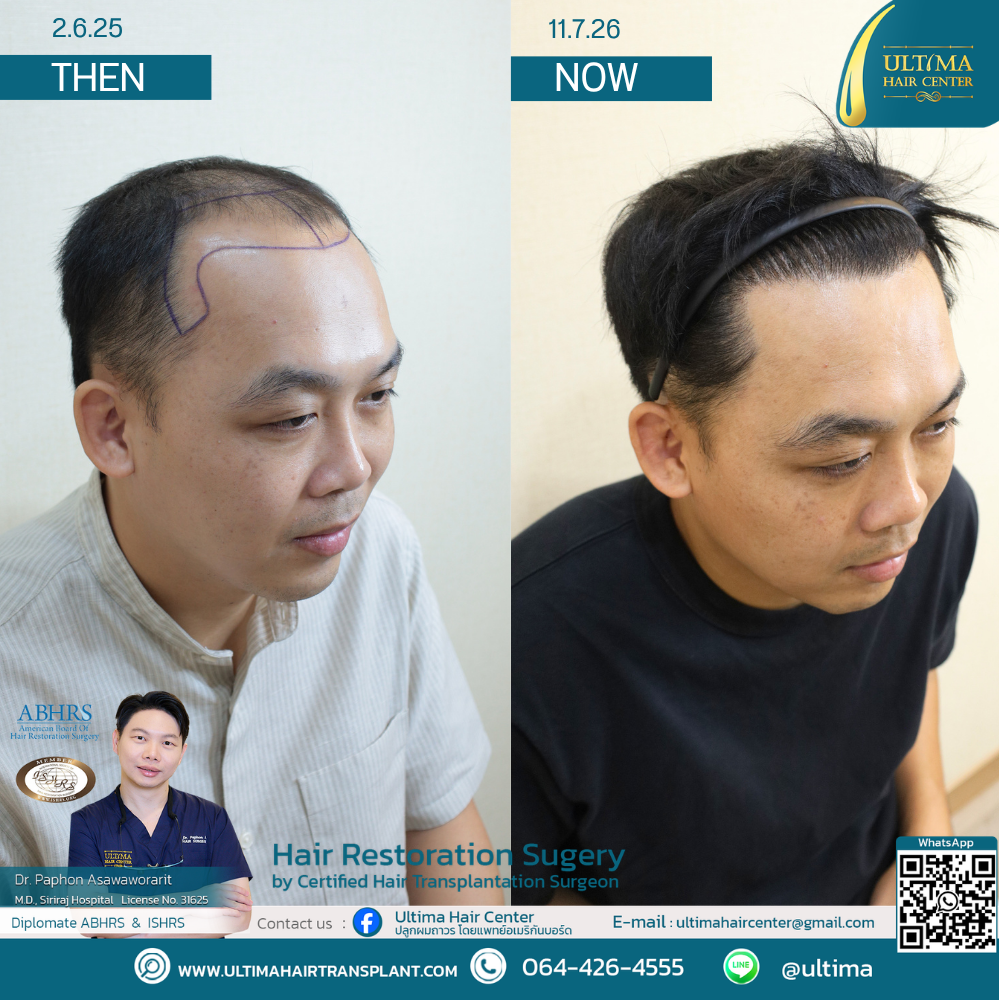
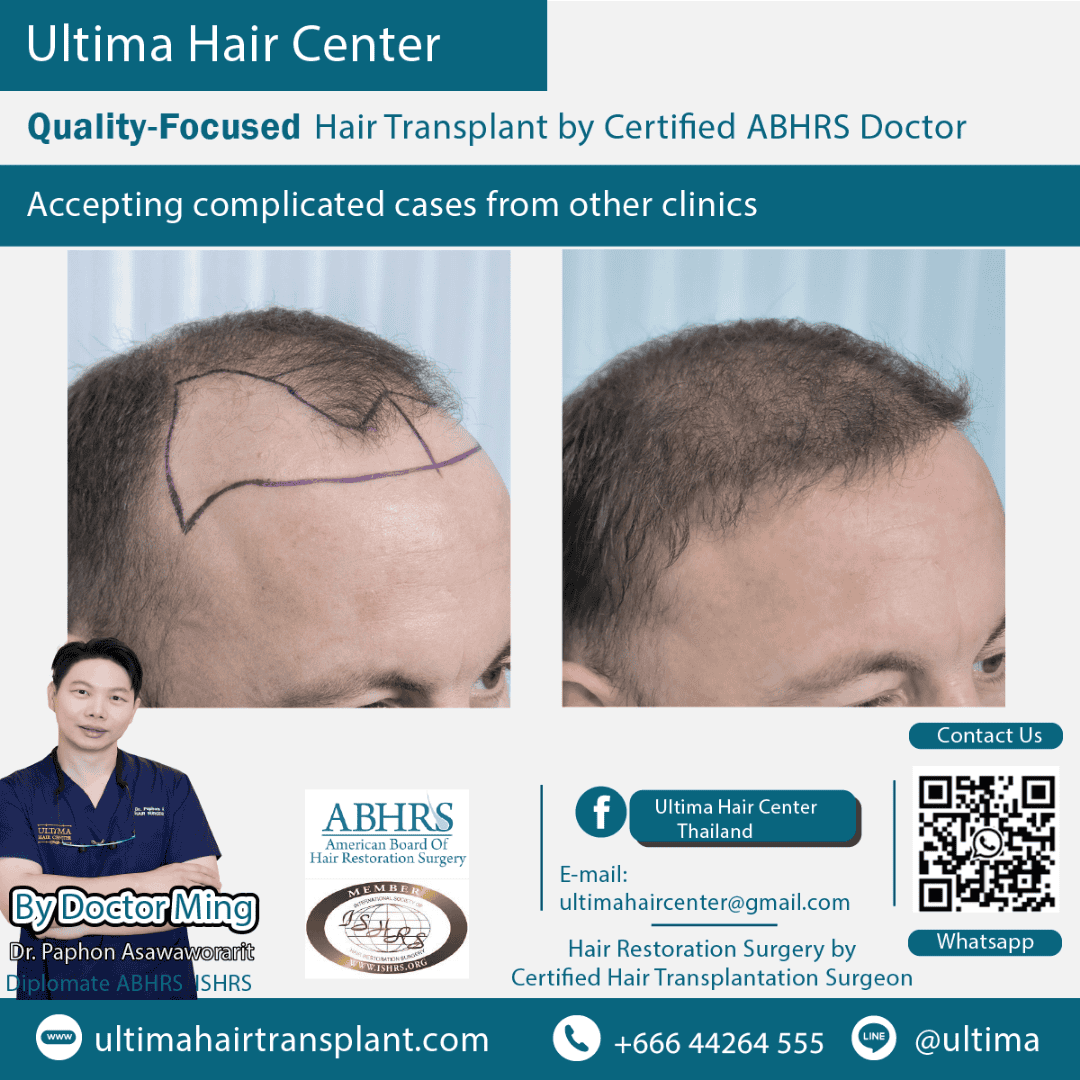
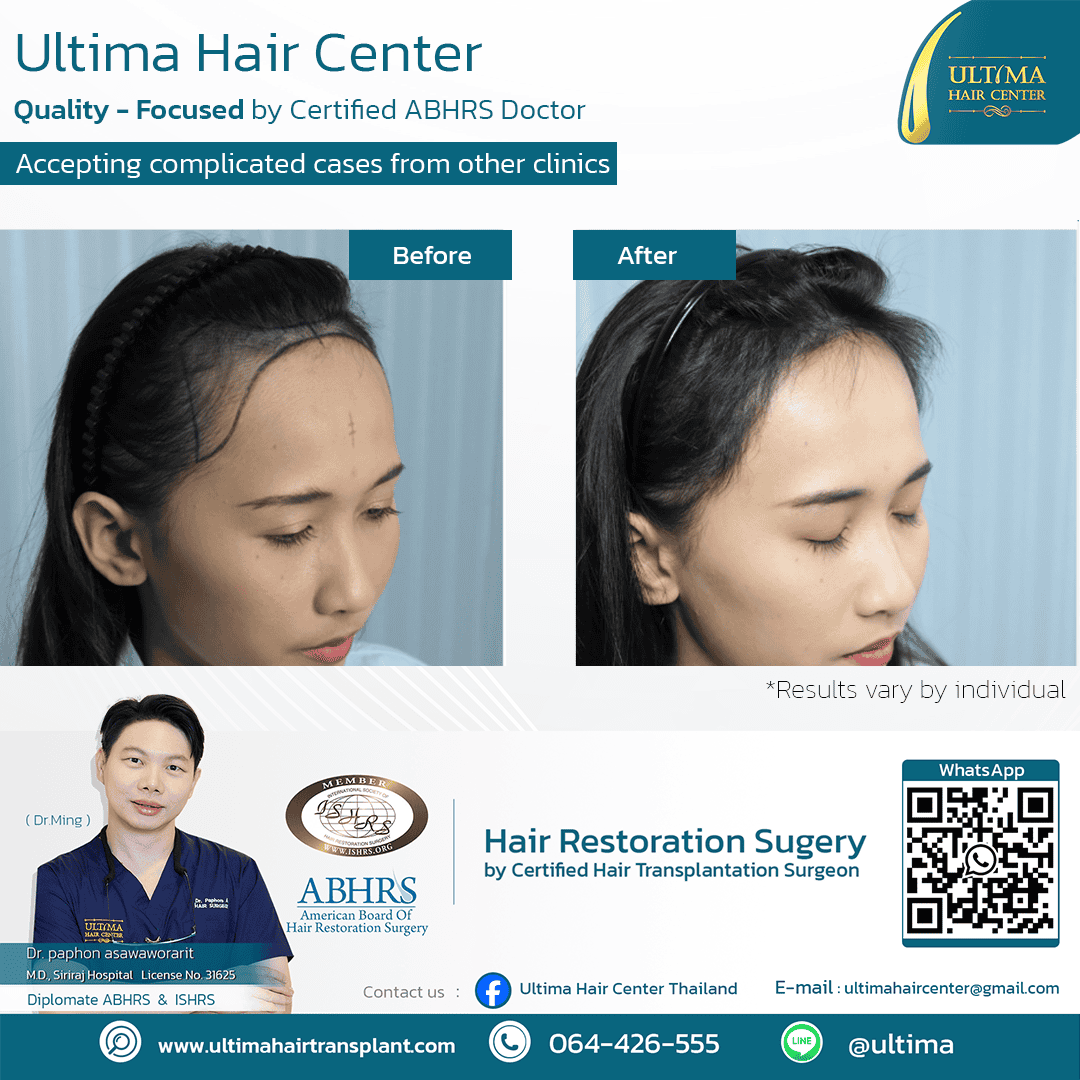
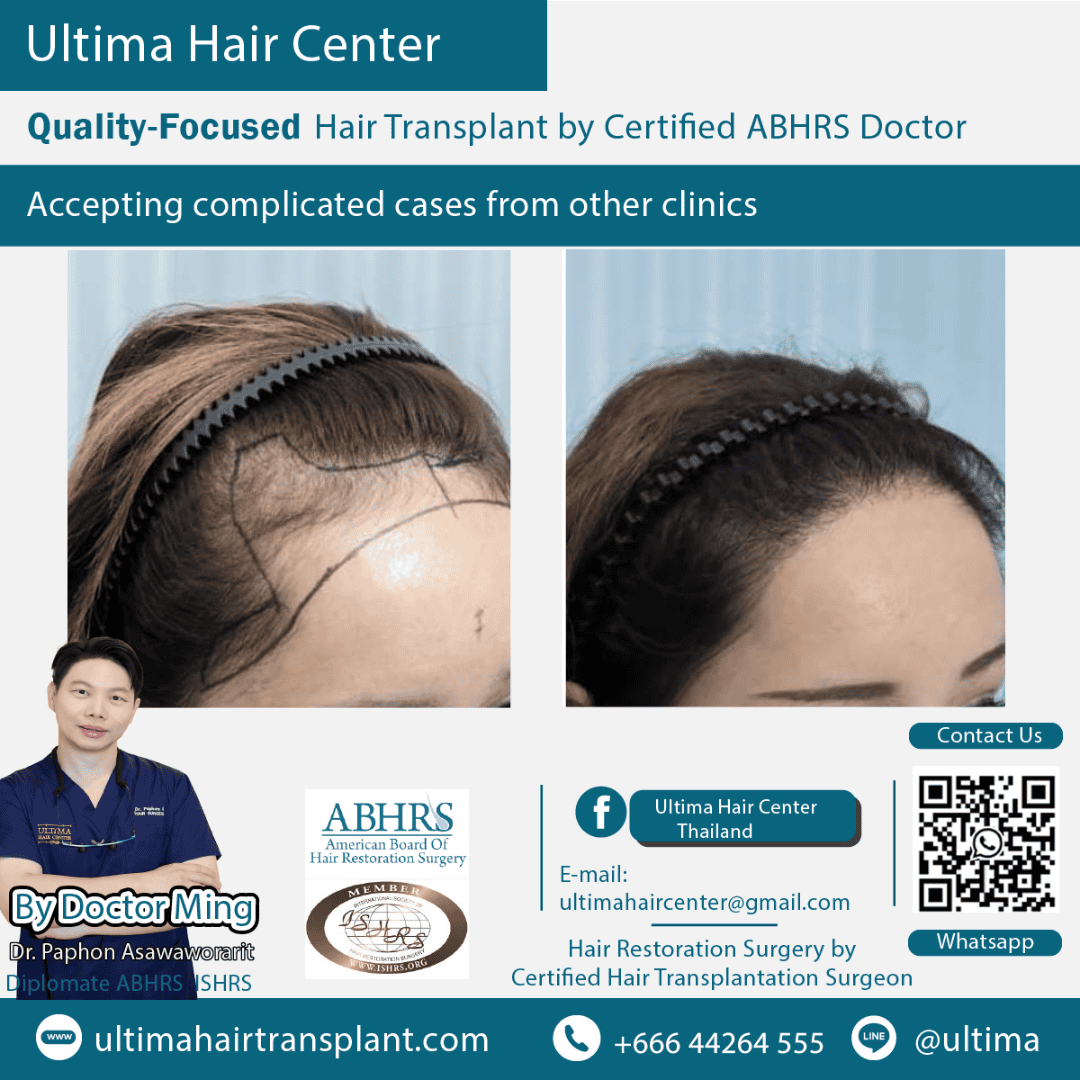
Ultima Hair Center provides consultations for patients experiencing problems following a previous hair transplant performed at another clinic or medical facility
Each case requires an assessment of the existing hair, original Hairline, density in the transplanted area, and condition of the Donor area. Post-transplant concerns can take different forms, including an unsuitable Hairline, insufficient density, or graft distribution that does not suit the treated area
Any corrective treatment must therefore be planned according to the patient's actual condition
Ultima Hair Center estimates the required graft count by considering several factors, including the size of the treatment area, desired density, hair characteristics, the number of hairs per graft, and the condition of the Donor area
Hairline design and appropriate use of the available Donor area must also be considered. Using a larger number of grafts does not necessarily guarantee a better or more suitable result. The goal is to allocate the available grafts appropriately to each area
In general, for areas with little or no existing hair, a density of approximately 50 grafts per square centimeter may be recommended, depending on the individual case
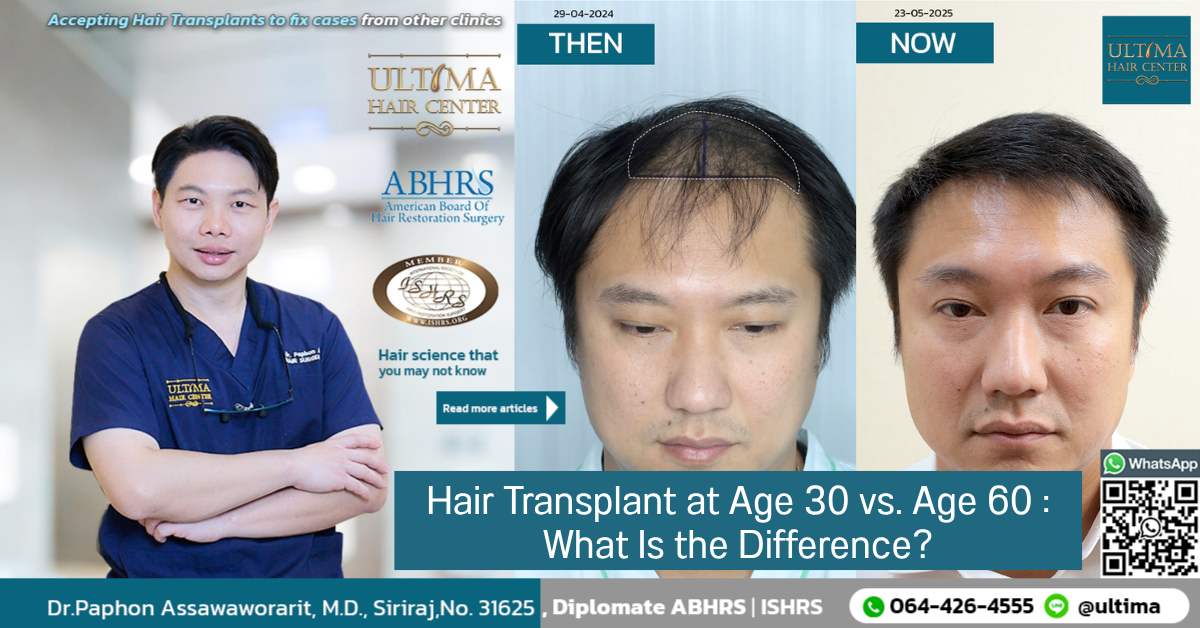
Ultima Hair Center is located on Krungthep Kreetha Road, within the JW Park development
Address: 199/35–36 Krungthep Kreetha Road, Huamak, Bang Kapi, Bangkok, Thailand
The clinic is conveniently located for people traveling from eastern Bangkok and surrounding areas. The neighborhood includes residential developments, restaurants, shops, and other amenities, making it convenient for patients to visit for consultations and post-transplant follow-up
Ultima Hair Center is located in the Krungthep Kreetha–Bang Kapi area of Bangkok, surrounded by residential communities, housing developments, restaurants, cafés, and a range of everyday amenities
People considering a hair transplant or seeking advice about hair thinning can arrange an appointment for an assessment with a physician
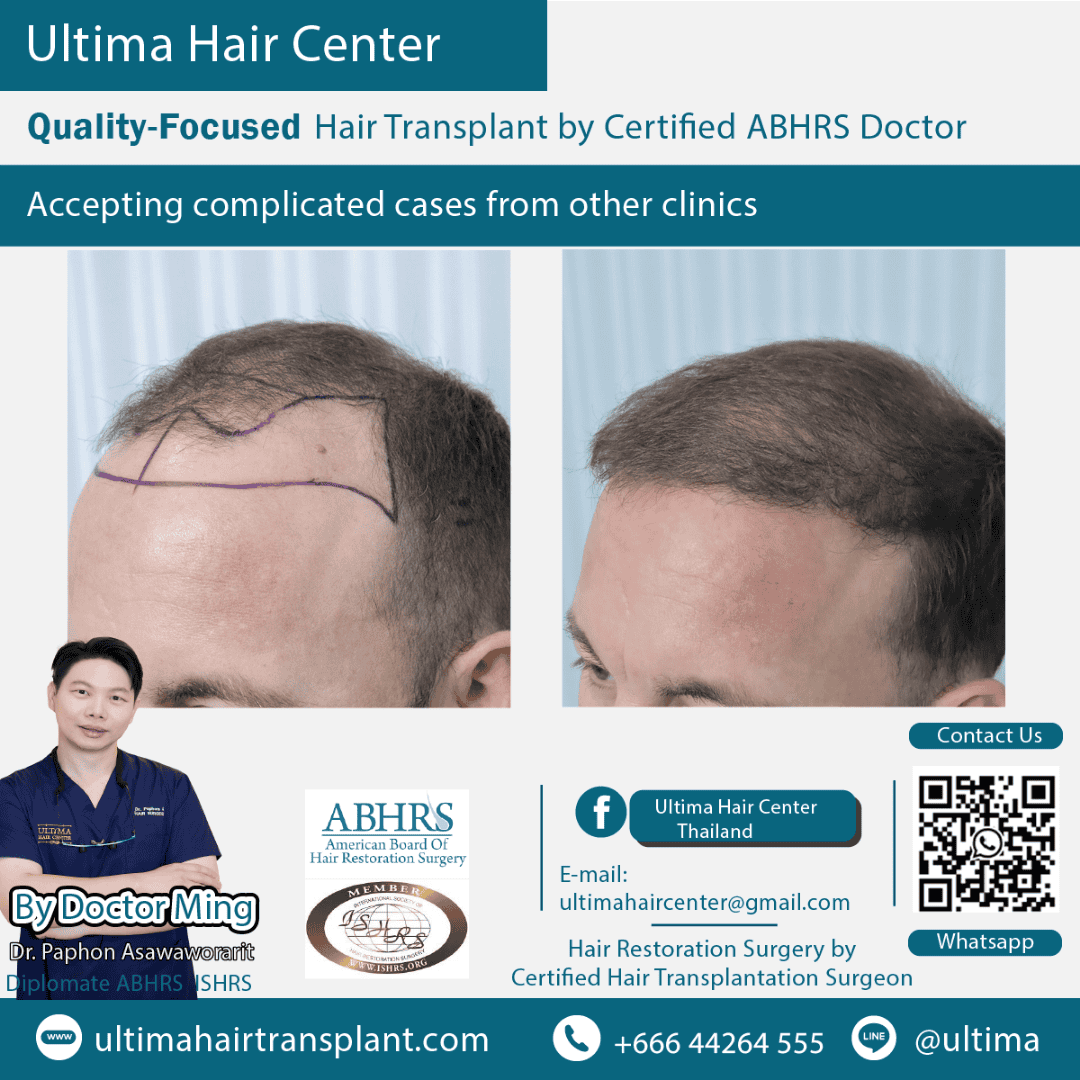
Dr. Ming evaluates each patient individually to determine whether hair transplantation at the age of 20 is appropriate. The assessment considers the cause and pattern of hair loss, changes in the Hairline, the condition of the Donor area, and the likelihood of further hair thinning in the future
If a patient is not yet a suitable candidate for hair transplantation, Dr. Ming will recommend an appropriate approach based on the individual circumstances. An assessment is therefore advisable before making a decision
Ultima Hair Center has experience with different hair transplantation approaches. FUE and FUT are the two main techniques for harvesting hair grafts from the Donor area, while DHI refers to an approach associated with the implantation stage
FUE (Follicular Unit Excision) involves extracting individual grafts one at a time. FUT (Follicular Unit Transplantation) involves removing a strip of scalp tissue and separating it into individual grafts before implantation
The choice of technique should take into account the density of the Donor area, the size of the recipient area, the number of grafts required, and each patient's treatment plan
Ultima Hair Center uses specialized instruments for FUE, or Follicular Unit Excision. A suitable punch size is selected for each graft to help preserve graft quality. The harvested grafts are then prepared appropriately before being implanted into the target area
Advantages:
Disadvantages:
The density of the Donor area and the number of grafts required should be assessed before choosing this technique
Ultima Hair Center is one of the relatively few clinics that offers the FUT technique
FUT, or Follicular Unit Transplantation, is a technique in which a strip of scalp tissue is removed from the back of the head, within the Donor area. The tissue is then carefully dissected into individual grafts for transplantation
Advantages:
Disadvantages:
Hair characteristics, preferred hairstyle, and individual suitability should be evaluated before choosing the most appropriate technique
Ultima Hair Center selects the hair transplantation technique according to each patient's individual needs
We have experience with both FUE (Follicular Unit Excision) and FUT (Follicular Unit Transplantation) and explain the advantages and disadvantages of each approach openly
For some patients, Combined FUT & FUE may be considered when the goal is to obtain a larger number of grafts in a single treatment session
No single technique is suitable for everyone. We assess each case and explain the potential benefits and limitations so that patients can make an informed decision about the technique best suited to them
Ultima Hair Center can assess patients who wish to add more transplanted hair without revising their existing grafts
The existing Hairline and transplanted area must first be evaluated to determine which approach may be appropriate. The Donor area must also be assessed before planning additional treatment
The most suitable treatment plan depends on the condition and needs of each individual
Ultima Hair Center advises patients not to worry unnecessarily if they see little new growth around two months after transplantation
After a hair transplant, some of the transplanted hairs may enter a resting phase and shed before growing again. New growth often begins to become more noticeable around 3–4 months after the procedure
The first few months are generally too early to assess the final result. Attending scheduled follow-up appointments and monitoring changes over time are therefore important
Ultima Hair Center recommends assessing hair transplant results over time because the hair gradually changes after the procedure
New growth often becomes more noticeable around 3–4 months. The hair then gradually increases in length and density
At around 6 months, the changes may become more apparent, and the results can continue to develop over the following months. In general, results are often close to their full development at approximately 9–12 months
Ultima Hair Center explains the post-transplant timeline in several stages
The actual timeline varies from person to person
Ultima Hair Center recommends using a gentle shampoo that is suitable for the scalp after a hair transplant. We provide patients with a shampoo for their initial postoperative care
During the early recovery period, patients should wash their hair according to the clinic's instructions, particularly during the first two weeks
After the scabs have been cleared, usually at around two weeks, patients can generally return to using a shampoo appropriate for their own scalp condition, following the advice of their treating physician


Comments
Post a Comment