Can Stress Really Cause Hair Loss? Understanding Telogen Effluvium and How to Manage Stress-Related Hair Loss
Can Stress Really Cause Hair Loss? Understanding Telogen Effluvium and How to Manage Stress-Related Hair Loss
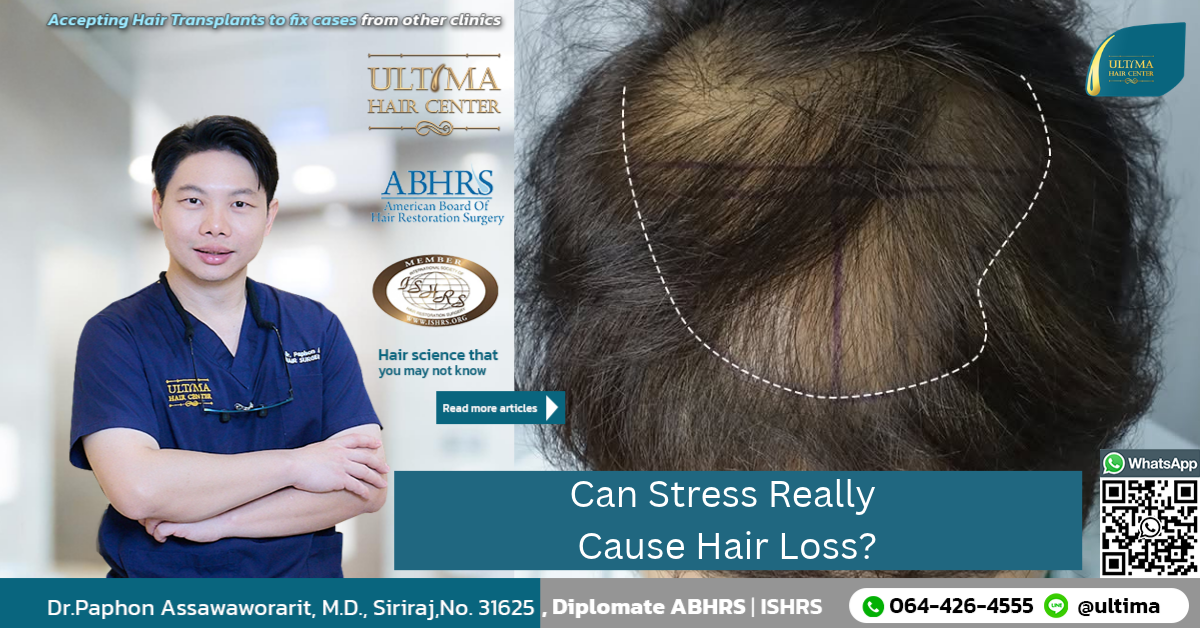
Can Stress Really Cause Hair Loss?
Stress can really cause hair loss, especially when the body or mind is exposed to significant stress or when a major event places considerable stress on the body, such as a serious illness, high fever, surgery, rapid weight loss, inadequate food intake, or prolonged emotional stress
One of the conditions that may occur is Telogen Effluvium, a type of hair loss in which a larger-than-normal number of hairs enter the resting or Telogen phase. This can result in increased hair shedding over a period of time. One of the key characteristics is that it usually causes diffuse hair loss throughout the scalp, rather than hair loss occurring in a specific isolated patch
However, noticing increased hair shedding does not necessarily mean that stress is always the cause. Hair loss can result from many different factors, including genetics, hormones, nutritional conditions, certain medical conditions, medications, and scalp disorders. Therefore, if hair loss continues or appears unusual, identifying the underlying cause is important
For people wondering whether stress may be contributing to their own hair problems, this article explains the mechanism behind stress-related hair loss, the signs to look for, the typical timing, ways to care for the hair and body, and situations in which it may be appropriate to see a physician
 How Can Stress Cause Hair Loss?
Our hair grows through a cycle consisting of several phases. These are generally divided into the Anagen phase, which is the growth phase; the Catagen phase, which is the transitional phase; and the Telogen phase, which is the resting phase
When the body is affected by certain factors, such as severe stress, illness, high fever, surgery, or rapid physical changes, some hairs may enter the resting phase earlier than usual, followed by increased shedding
One reason the problem can be difficult to identify is that hair may not start shedding immediately on the day the stressful event occurs. Increased shedding may become noticeable approximately 2–3 months after the triggering event
For example, someone may experience a stressful event early in the year but only notice significantly increased hair shedding several weeks or months later. This can lead to the mistaken assumption that a current event is causing the hair loss, when the actual trigger may have occurred months earlier
 What Is Telogen Effluvium?
Telogen Effluvium is a form of diffuse hair loss caused by a disruption in the hair growth cycle. A larger number of hairs enter the Telogen phase and subsequently shed within a relatively similar period
This condition can be triggered by both physical and psychological factors, including
- Emotional stress
- Illness or high fever
- Surgery or physical injury
- Rapid weight loss
- Inadequate food intake
- Certain nutritional deficiencies
- Thyroid disorders
- Hormonal changes
- Certain medications
- Childbirth
Therefore, although stress is one factor that can trigger Telogen Effluvium, an evaluation should also consider other possible factors because some people may have more than one trigger occurring during the same period
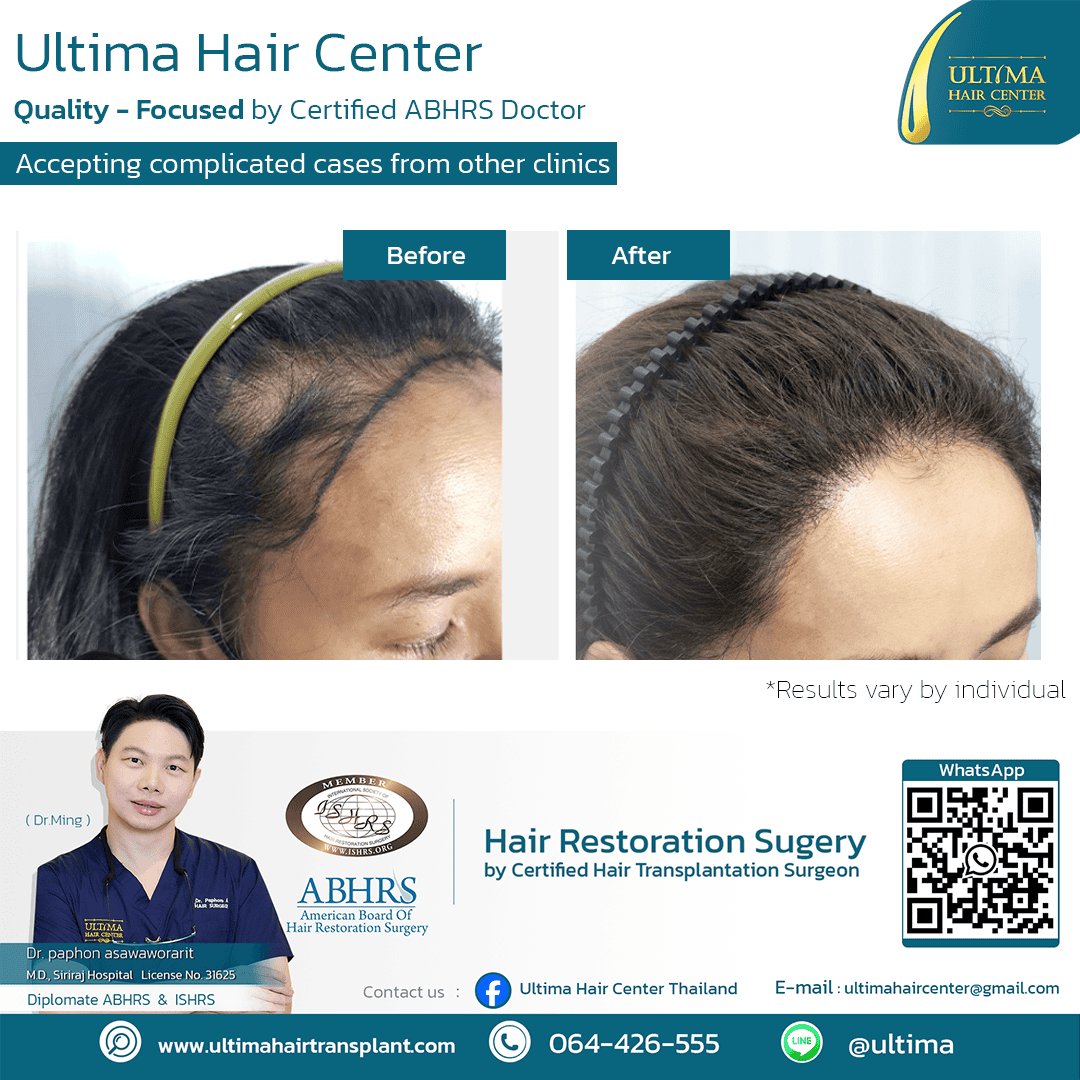 What Does Stress-Related Hair Loss Look Like?
A common characteristic is diffuse shedding throughout the scalp rather than hair loss limited to the frontal Hairline or Crown
People with Telogen Effluvium may notice that
- More hair falls out while washing the hair
- More hair is found on the hands or pillow than usual
- A large number of hairs come out when brushing or combing
- Overall hair density appears to decrease
- A ponytail or tied hairstyle feels thinner
- More scalp becomes visible as the hair becomes thinner
- There is generally no abnormal scarring or inflammation of the scalp
However, these characteristics can also occur with other forms of hair loss. Therefore, hair shedding alone should not be used to conclude that stress is the cause
 When Does Stress-Related Hair Loss Usually Begin?
This is an important point that many people misunderstand
If Telogen Effluvium occurs after a triggering event, the hair usually does not begin shedding immediately. Increased shedding may become noticeable approximately 2–3 months after the triggering event
For example
January: Severe stress, inadequate sleep, or illness occurs
↓
February: Hair shedding is not yet noticeably increased
↓
March–April: Hair shedding becomes noticeably heavier than usual
This is why, when evaluating hair loss, physicians often ask about events that occurred several months before the shedding began
 What Types of Stress Can Cause Hair Loss?
Stress is not limited to work-related stress. It can take many different forms
1. Work-Related Stress
Heavy workloads, insufficient rest, high pressure, or ongoing problems can affect overall health and may contribute to Telogen Effluvium in some individuals
2. Stress from Major Life Events
Examples include the loss of someone close, family problems, financial difficulties, or other events that have a significant emotional impact
The American Academy of Dermatology states that emotional stress, such as pressure from work or the loss of a loved one, can trigger Telogen Effluvium
3. Physical Stress
In some cases, what the body experiences can be an important trigger, such as high fever, serious illness, surgery, or rapid weight loss
It is therefore important to understand that “stress” in the context of hair loss does not refer only to the feeling of being emotionally stressed. It can also include physiological stress, meaning stress placed on the body itself
 How Is Stress-Related Hair Loss Different from Genetic Hair Thinning?
This is an important distinction because some people can have both conditions at the same time
Telogen Effluvium typically causes diffuse hair shedding throughout the scalp and is often associated with a triggering event that occurred previously
In contrast, Androgenetic Alopecia, or genetic hair thinning, tends to follow a more recognizable pattern, such as a receding frontal Hairline, thinning at the temples, or thinning in the mid-scalp and Crown. The specific pattern can vary between individuals
Importantly, one person can have Telogen Effluvium and genetic hair thinning at the same time
For example, someone who already has a tendency toward genetic hair thinning may experience significant stress and subsequently develop Telogen Effluvium. This can make the overall reduction in hair density appear much more rapid than before
Therefore, if you notice increased hair shedding after a stressful period, do not immediately assume that stress is the only cause. Genetic hair thinning may also be present
 If the Stress Goes Away, Will the Hair Return to Its Previous Density?
In cases of Telogen Effluvium caused by a temporary trigger, and when there are no other contributing factors, the hair can return to the growth phase after the trigger has been addressed
Medical sources indicate that in many cases, hair may begin to regrow within approximately 3–6 months. However, it can take longer for the hair to regain enough length and density to produce a noticeable cosmetic improvement
Therefore, it is important not to expect hair shedding to stop or hair density to return within only a few days after stress decreases
Hair has its own growth cycle and requires time to recover
 What Should You Do If Stress Is Causing Hair Loss?
The first important step is to consider what factors occurred before the hair loss began and address those factors where possible
1. Get Enough Rest
Consistently inadequate sleep may place additional stress on the body. Establishing sufficient time for rest is therefore part of maintaining overall health
2. Avoid Rapid Weight Loss
Significant weight loss or inadequate food intake can also trigger Telogen Effluvium
3. Maintain an Adequate and Balanced Diet
The body should receive sufficient energy and nutrients, particularly for people who restrict their diet or are actively trying to lose weight
If you suspect a nutritional deficiency, it is better not to take large amounts of vitamins or supplements without knowing the underlying cause. Appropriate evaluation should be considered instead
4. Manage Stress
Appropriate exercise, adequate rest, relaxing activities, and talking with people close to you can support mental health and help reduce the impact of stress
5. Investigate the Cause of Hair Loss If It Does Not Improve
If hair shedding continues for a prolonged period or there are signs of abnormal hair thinning, you should consider seeing a physician to determine whether it is truly Telogen Effluvium or whether another condition is also present
The evaluation may include a review of previous illnesses, medications, dietary intake, and changes in body weight. Other possible causes, such as thyroid disorders or iron deficiency, may also be evaluated when clinically indicated
 Should You Have a Hair Transplant for Stress-Related Hair Loss?
In general, if the main cause is Telogen Effluvium, hair transplantation should not be the first step because it is important to identify the underlying cause and determine whether the hair loss is temporary or whether genetic hair thinning is also present
Hair transplantation is appropriate for people with hair loss patterns that are suitable for surgery. This requires assessment of the thinning areas, hair characteristics, future Hairline, and the quality of the Donor area
Therefore, people seeking help for hair loss should not be assessed simply by counting how many hairs are falling out. It is important to determine why the hair is shedding and what type of thinning is occurring
For some people, addressing the cause of hair loss and monitoring the changes over time may be more appropriate initially. In others, genetic hair thinning may also be present and require a different treatment strategy
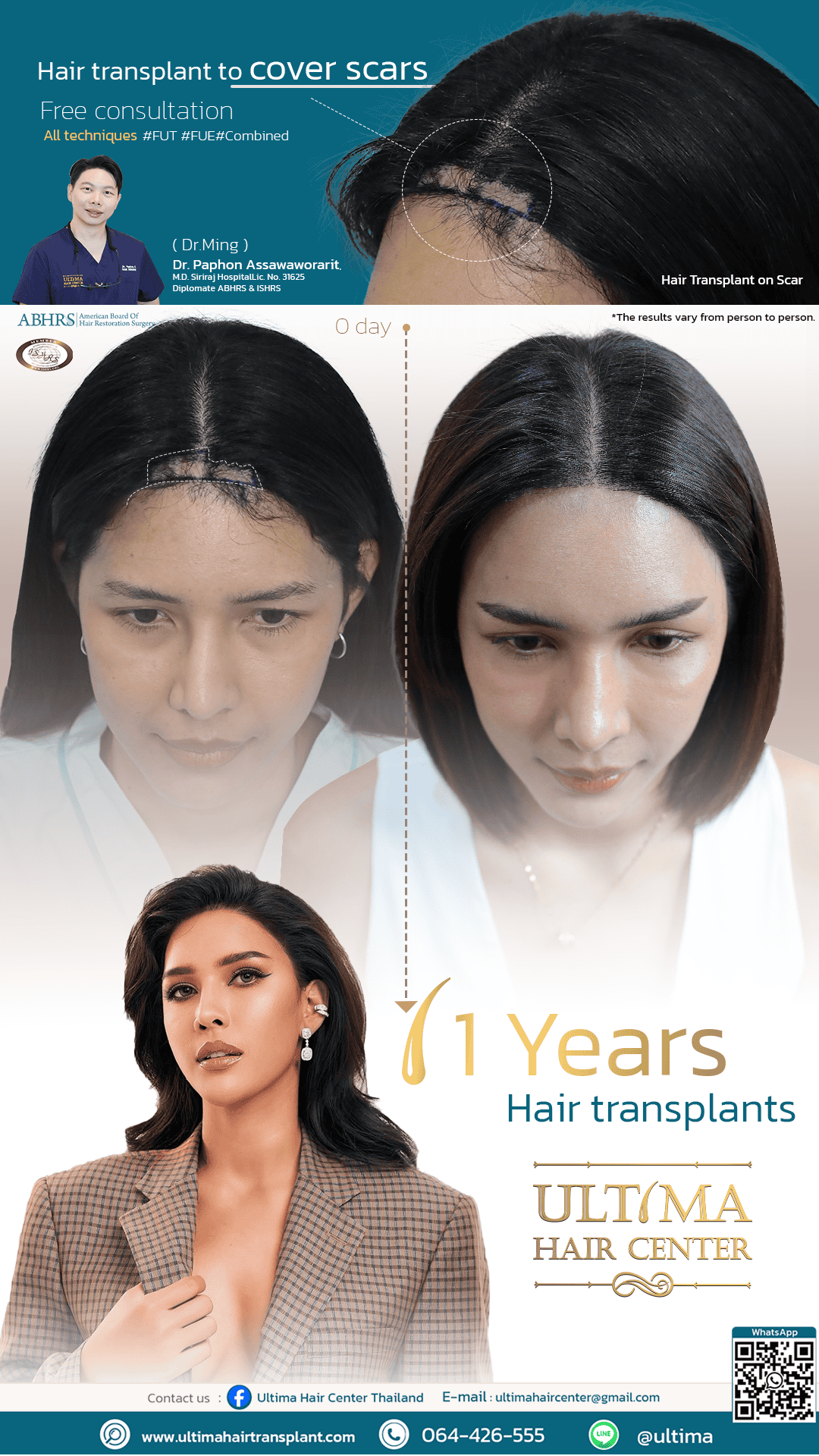 Why Is Identifying the Cause of Hair Loss Important Before a Hair Transplant?
Hair transplantation should not be considered based only on the question, “How many grafts are needed?”
A physician should consider several factors, including
- Cause of hair loss
- Pattern of hair thinning
- Age and future progression of hair thinning
- Existing hair density
- Quality of the Donor area
- Number of grafts that can be safely used
- Suitability of the Hairline
- Desired density
- Previous treatment or hair transplant history
In particular, people who experience significantly increased hair shedding after a period of stress should be properly evaluated to determine whether the problem is Telogen Effluvium or whether another condition is also present
 Can Stress Cause Hair Loss Severe Enough to Require a Hair Transplant?
It is not appropriate to conclude that “stress means you need a hair transplant”
When Telogen Effluvium is caused by a triggering event, addressing the underlying cause and monitoring hair recovery may be more important than immediately considering a transplant
However, if genetic hair thinning is also identified and the thinning areas are suitable for hair transplantation, a physician may consider hair transplantation as one treatment option
The important point is to determine the underlying cause of the hair loss because hair transplantation does not correct every cause of hair shedding
 When Should You See a Doctor About Hair Loss?
You should consider consulting a physician if you experience
- Abnormally heavy hair shedding that continues
- Noticeable reduction in hair density
- A receding frontal Hairline or thinning temples
- Increasing visibility of the scalp around the Crown
- Hair loss occurring in patches
- Itching, burning, redness, or inflammation of the scalp
- Other symptoms such as unexplained weight changes, unusual fatigue, or symptoms that may be associated with another medical condition
- Hair loss after illness, surgery, rapid weight loss, or a major stressful event
- Uncertainty about whether the hair loss is related to stress or genetics
Early evaluation can help identify the cause of hair loss and support a more appropriate treatment plan
 Summary: Stress Can Really Cause Hair Loss, But It Is Not the Only Cause
In summary, stress can really cause hair loss, particularly through a condition known as Telogen Effluvium. This condition typically causes diffuse hair shedding throughout the scalp, and the increased shedding may become noticeable approximately 2–3 months after the triggering event
However, if you experience increased hair loss, you should not immediately assume that stress is the cause. Hair loss can also result from genetics, hormones, nutritional factors, certain medical conditions, medications, and other factors. Some people may also have several contributing causes at the same time
Appropriate management should therefore begin with identifying the cause of hair loss, rather than making a decision based solely on the number of hairs that are shedding
For people with hair loss patterns that may be suitable for hair transplantation and who are considering quality-focused hair transplantation, assessing the hair and Donor area, together with appropriate Hairline design and graft planning, is an important part of planning a natural-looking hair transplant
At Ultima Hair Center, emphasis is placed on individualized assessment and treatment planning. Dr. Ming personally responds to patient messages, allowing people experiencing hair thinning or hair loss to discuss their concerns and obtain preliminary information before deciding on treatment
For people researching hair transplant reviews, it is useful to look beyond Before & After photographs alone. Consider how the physician identifies the cause of hair loss, how the treatment is planned, and whether follow-up is provided after treatment
If you are wondering whether your hair loss may be related to stress or whether genetic hair thinning may also be present, you can consult Dr. Ming for free to discuss your hair concerns and possible approaches that may be appropriate for your individual situation
 Frequently Asked Questions About Stress and Hair Loss
1. Can stress really cause hair loss?
Yes. Both psychological and physical stress can trigger Telogen Effluvium, which can cause diffuse hair shedding throughout the scalp. The shedding usually does not occur immediately and may become noticeably increased approximately 2–3 months after the triggering event
2. What is stress-related hair loss called?
One of the most common conditions is Telogen Effluvium. It occurs when a larger number of hairs enter the resting phase, resulting in increased shedding later. Both psychological stress and physiological stress can be contributing triggers
3. Does hair fall out immediately after a stressful event?
Usually, it does not. Hair shedding associated with Telogen Effluvium often becomes noticeable approximately 2–3 months after the triggering event. This is why it can be useful to look back at events that occurred several months before the hair loss began
4. Can stress-related hair loss grow back?
In cases of Telogen Effluvium caused by a temporary trigger, hair can return to the growth phase after the trigger has been addressed. However, hair recovery takes time and regrowth is generally measured in months rather than days
5. Can stress cause baldness?
Stress can cause increased hair shedding, but this does not mean that it causes genetic baldness in everyone. If someone already has genetic hair thinning, stress or Telogen Effluvium may make the thinning appear more noticeable. The underlying causes should therefore be distinguished
6. How is stress-related hair loss different from genetic hair thinning?
Hair loss from Telogen Effluvium is usually diffuse throughout the scalp, while genetic hair thinning tends to follow patterns such as a receding frontal Hairline, thinning temples, or thinning around the Crown. However, both conditions can occur at the same time
7. If my hair is falling out because of stress, do I need a hair transplant?
Not necessarily. If the condition is Telogen Effluvium, identifying and addressing the underlying trigger is important first. If genetic hair thinning is also present and the patient has a pattern suitable for transplantation, a physician may consider a hair transplant as one possible treatment option
8. Can work-related stress cause hair loss?
It can be one contributing factor, particularly when ongoing stress occurs together with inadequate rest or other physical factors. However, other possible causes of hair loss should also be considered rather than assuming that work alone is responsible
9. Can rapid weight loss cause hair loss?
Yes. Rapid weight loss or inadequate food intake can trigger Telogen Effluvium. People who experience hair loss after losing weight should therefore consider both their dietary intake and other possible contributing factors
10. What should I do if I am experiencing significant hair loss?
The first step is to evaluate the underlying cause, particularly if the shedding continues, hair density is visibly decreasing, or there are abnormal scalp symptoms. Seeing a physician can help distinguish Telogen Effluvium from genetic hair thinning and other causes of hair loss
11. Can I have a hair transplant while I am experiencing stress?
Hair transplantation should be considered only after the cause and condition of the hair have been appropriately evaluated. If you are experiencing diffuse hair loss from Telogen Effluvium, it may be appropriate to assess and monitor the condition first to determine the cause of the thinning and whether a hair transplant is appropriate
12. Should I determine whether my hair loss is stress-related before having a hair transplant?
Yes. Understanding the cause of hair loss can help create a more appropriate treatment plan. If both Telogen Effluvium and genetic hair thinning are present, the physician may need to consider both conditions before planning a hair transplant
 Contact Us:


Comments
Post a Comment