What is a hair transplant?
What is a hair transplant?

Hair loss can be frustrating, affecting how you feel about yourself. If you've been searching for solutions, you've probably heard about Hair transplant Thailand. But maybe you're still wondering, "What is a hair transplant?"
Let's break down this amazing procedure in a friendly, easy-to-understand way, and show you why Thailand is a fantastic place to consider it!
 What Exactly Is a Hair Transplant?
At its core, a hair transplant is a surgical procedure that moves hair follicles (the tiny structures that grow hair) from one part of your body to another. It's often used to restore hair to areas of your scalp that have become bald or have thinning hair.
Think of it like this: You have a "donor area" where your hair is still thick and healthy (usually the back or sides of your head, which are naturally resistant to balding). A surgeon carefully takes individual hair follicles or strips of upper skin containing follicles from this donor area and then meticulously places them into the "recipient area" – the part of your scalp where you want new hair to grow.
Once these grafts (the transplanted follicles) are in their new home, they settle in and start growing new, natural hair, just like they did in their original spot. It’s your own hair, just relocated!

Why Do People Get Hair Transplants?
Most commonly, people get hair transplants to treat androgenetic alopecia, also known as male or female pattern baldness. This type of hair loss is genetic and causes hair follicles to shrink over time. However, hair transplants can also help with:
- Hair loss due to scars or burns.
- Filling in receding hairlines.
- Increasing hair density in thinning areas.
- Restoring eyebrows, beards, or moustache.
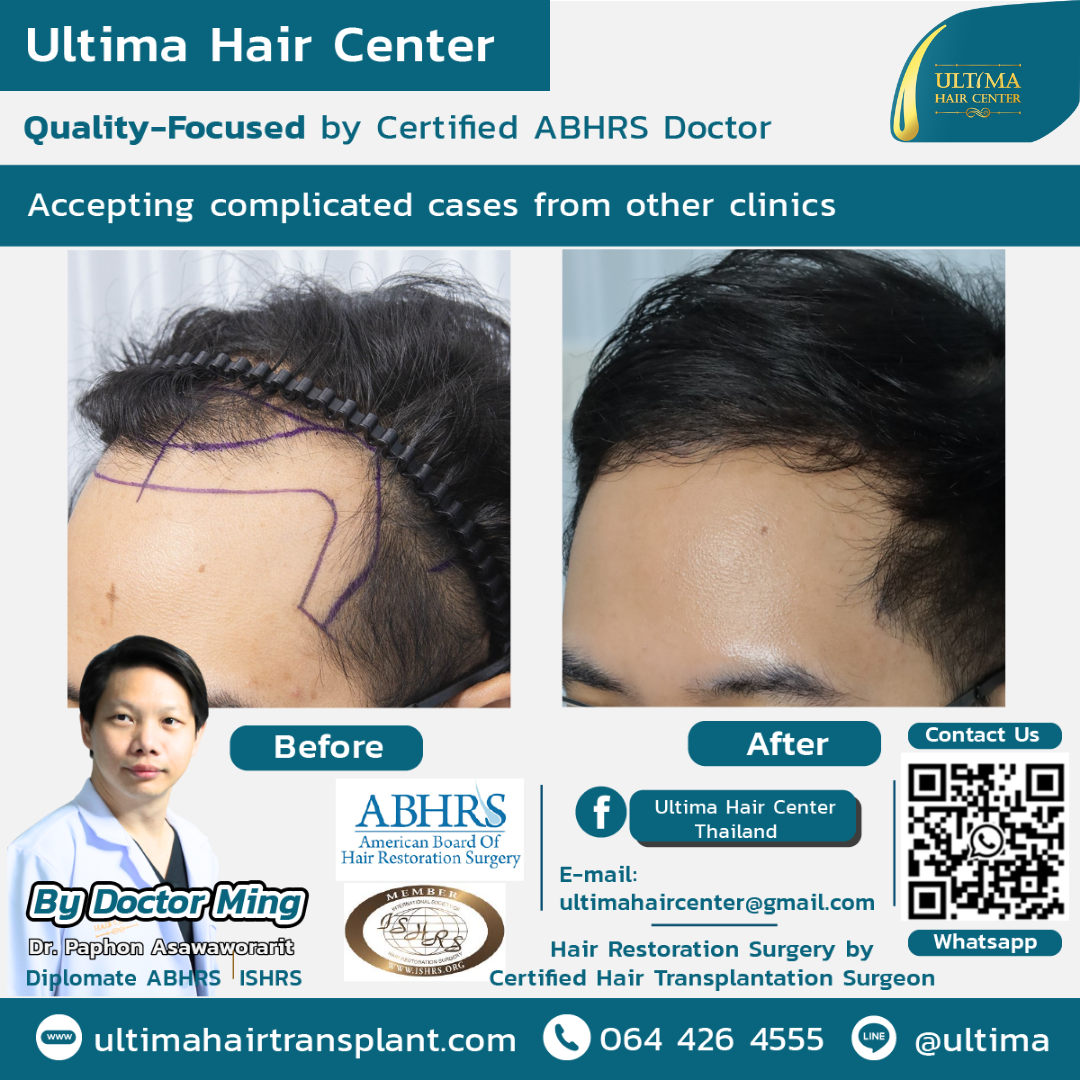 Key Techniques Used in Hair Transplants
There are two main techniques surgeons use for hair transplant procedures:
- Follicular Unit Transplantation (FUT): Sometimes called "strip surgery," this method involves removing a strip of upper skin from the donor area (usually the back of the head). Highly skilled technicians then carefully divide this strip into individual follicular units (groups of 1-4 hairs) under a microscope. These units are then implanted into the recipient area. This method bring great quality hair grafts and hair survival rate, but typically leaves a linear scar, which is usually hidden by surrounding hair.
- Follicular Unit Excision (FUE): individual follicular units are directly extracted one by one from the donor area using a tiny punch tool. This leaves tiny, almost invisible dot-like scars, making it a good option for those who prefer to wear their hair very short. The extracted grafts are then implanted into the thinning or bald areas.
Both techniques aim for natural-looking results, and your surgeon will discuss which one is best for your specific needs and hair loss pattern.
 The Hair Transplant Process: What to Expect
- Consultation: This is your first step! You'll meet with a hair restoration surgeon to discuss your goals, assess your hair loss, and determine if you're a good candidate. This will good for you to consult with ABHRS Doctor. (American Board of Hair Restoration Surgery)
- Preparation: Before the surgery, you'll get specific instructions on how to prepare your scalp, which medications to stop, and what to avoid (like alcohol or smoking).
- The Procedure: Hair transplant surgery is typically performed under local anesthesia, meaning you'll be awake but your scalp will be numb. The procedure can take several hours, depending on the number of grafts needed.
- Recovery: After the transplant, you'll receive detailed instructions on how to care for your new grafts and manage any mild swelling or discomfort. The transplanted hairs will typically shed within a few weeks (this is normal!), and new growth usually begins within 3-4 months.
- Results: Full results typically become visible within 9-12 months, revealing denser, natural-looking hair.
 Why Consider Hair Transplant in Bangkok, Thailand?
Now that you know "What is a hair transplant?" you might be curious why Hair transplant in Bangkok, Thailand is such a popular choice. Thailand has earned a fantastic reputation for:
- World-Class Surgeons: Highly trained and experienced hair restoration specialists.
- Advanced Clinics: Modern facilities with cutting-edge technology.
- Affordable Prices: Excellent quality care at a fraction of the cost in many Western countries.
- Exceptional Patient Care: Renowned Thai hospitality ensures a comfortable and supportive experience.
- A Relaxing Recovery: Combine your procedure with a rejuvenating vacation in a beautiful country!
 A hair transplant is a safe and effective way to restore your hair and your confidence. If you're ready to learn more and see if this procedure is right for you, consult with a qualified ABHRS hair restoration surgeon.
----------
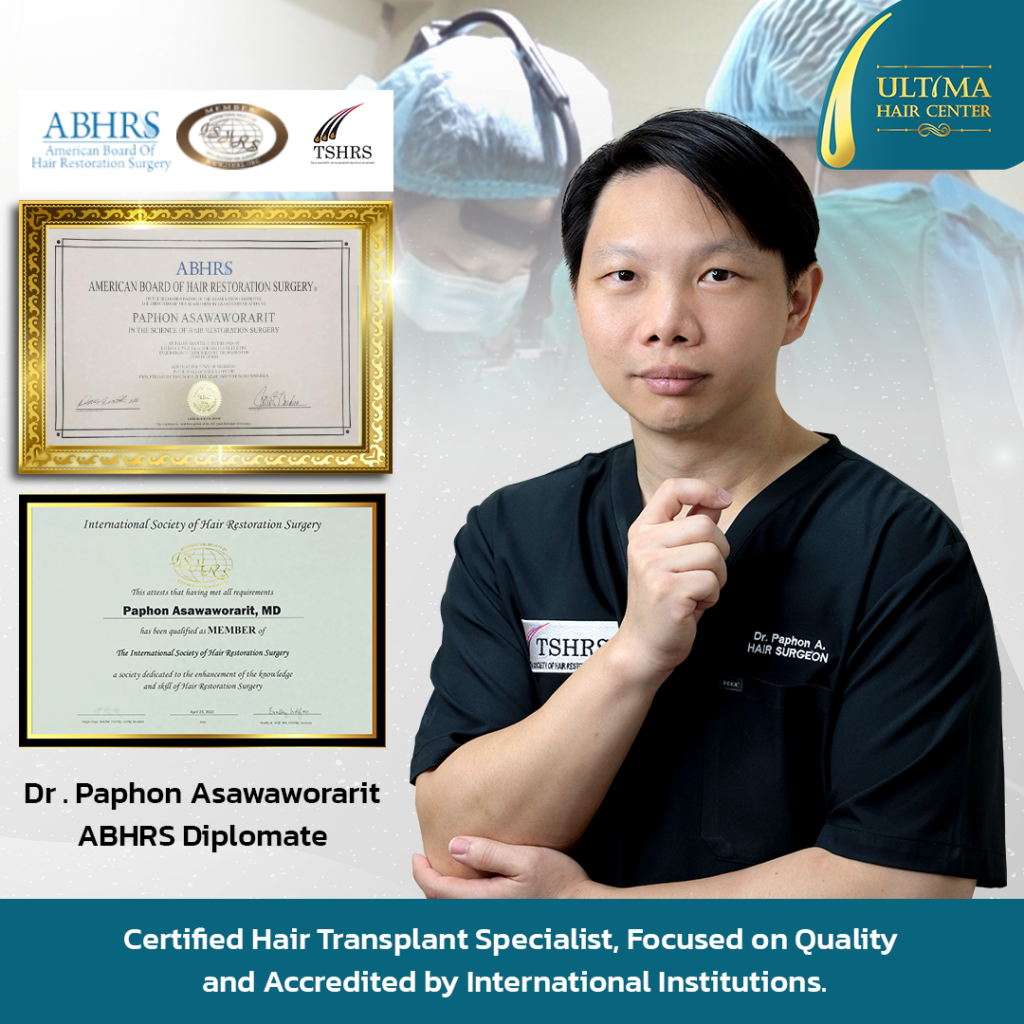 Thinking of a Hair Transplant in Thailand? Choose Dr. Ming.
If you’re planning a hair transplant in Thailand, make it count — with Dr. Paphon “Ming” Asawaworarit, one of the few Thai doctors certified by the American Board of Hair Restoration Surgery (ABHRS) and a Full member of ISHRS.
Why patients from around the world choose Dr. Ming:
– International board-certified (ABHRS)
– Member of the globally recognized ISHRS
– Specializes in both FUE & FUT techniques
– Natural looking, long-lasting results
– Honest consultation with personalized care
“It’s not just about restoring hair. It’s about restoring confidence — safely, natural looking, and with integrity.”
At Ultima Hair Center, Bangkok, we believe in International-class hair restoration with a warm, human touch.
Book your consultation today and let your journey begin with someone you can truly trust.

Contact Us:
Dr. Paphon Asawaworarit (Dr. Ming)
Physician Directory ABHRS
Ultima Hair Center (Thailand Website)
Ultima Hair Transplant (English Website)
Line: @ultima
E-mail: ultimahaircenter@gmail.com
Please contact via. Whatsapps:


Comments
Post a Comment